
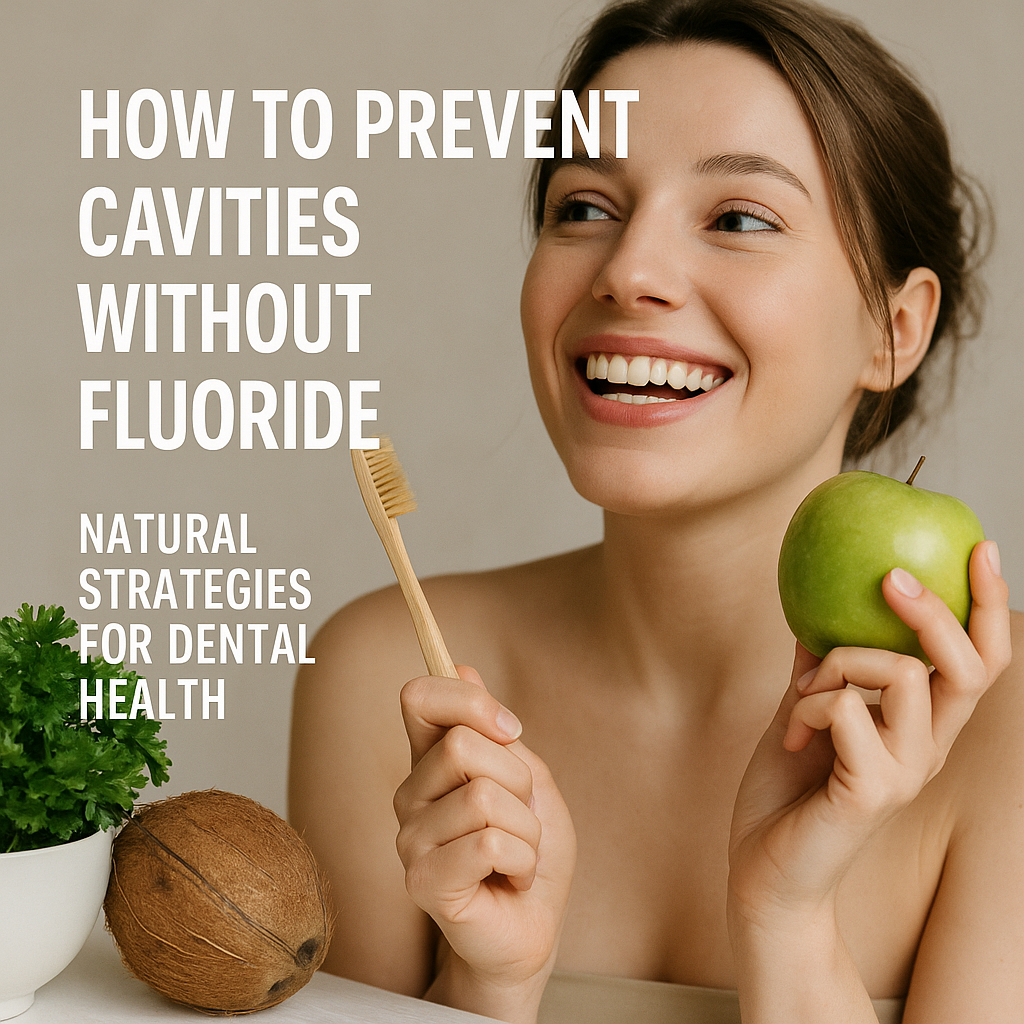
Maintaining optimal dental health without fluoride has become increasingly important for many health-conscious individuals. Whether you’re concerned about fluoride sensitivity, prefer natural approaches, or simply want to diversify your dental care routine, preventing cavities without fluoride is entirely possible with the right knowledge and practices. This comprehensive guide explores science-backed strategies, natural alternatives, and lifestyle modifications that effectively prevent cavities without fluoride while promoting overall oral health.
Understanding Cavity Formation Beyond Fluoride Treatments
Before diving into prevention strategies, it’s essential to understand how cavities form in the first place. Tooth decay occurs when acids produced by bacteria in your mouth dissolve the hard tissues of your teeth. These acids are primarily created when bacteria feed on the sugars and carbohydrates in your diet. Without proper preventive measures, this acid attack can progress through the enamel (the outer protective layer) and into the dentin (the layer beneath enamel), eventually reaching the pulp and causing significant pain and infection.
While fluoride has traditionally been promoted as the primary defense against cavities due to its ability to remineralize tooth enamel and inhibit bacterial metabolism, many effective alternatives exist for those seeking to prevent cavities without fluoride. These alternatives focus on similar principles: reducing harmful bacteria, strengthening tooth enamel naturally, and creating an oral environment that discourages decay.
The good news is that preventing cavities without fluoride doesn’t require extraordinary measures—just consistent attention to several key aspects of oral hygiene and diet. By implementing these natural strategies, you can maintain excellent dental health while avoiding fluoride altogether.
Natural Oral Hygiene Practices for Cavity Prevention Without Fluoride
Developing a thorough oral hygiene routine remains the cornerstone of preventing cavities without fluoride. While conventional toothpastes often rely on fluoride as their active ingredient, numerous natural alternatives can effectively clean your teeth and protect against decay.
Oil Pulling: An Ancient Practice for Modern Dental Health
Oil pulling, an ancient Ayurvedic practice, has gained significant popularity as a method to prevent cavities without fluoride. This technique involves swishing a tablespoon of oil (typically coconut, sesame, or olive oil) around your mouth for 15-20 minutes before spitting it out. The oil works by “pulling” bacteria and toxins from your mouth while reducing plaque buildup.
Still dealing with bad breath or bleeding gums — even with perfect brushing?
The problem might not be your hygiene…
It’s your mouth’s bacteria balance.
🦠 ProDentim is a powerful probiotic formula with 3.5 billion good bacteria to restore your oral health — naturally.
No more cavities.
No more gum pain.
Just a clean, fresh smile — from the inside out.
🎯 Watch the free video and see how ProDentim is changing lives:
👉 [CLICK HERE]
Coconut oil deserves special mention when discussing how to prevent cavities without fluoride, as it contains lauric acid—a compound with proven antimicrobial properties that can help combat Streptococcus mutans, the primary bacteria responsible for tooth decay. Studies have shown that regular oil pulling can reduce the bacterial count in saliva, decrease plaque formation, and promote healthier gums.
To incorporate oil pulling into your cavity prevention routine without fluoride:
- Use one tablespoon of organic, cold-pressed oil
- Swish gently for 15-20 minutes (start with 5 minutes if this feels too long initially)
- Spit the oil into a trash can (not your sink, as it may clog pipes)
- Rinse thoroughly with warm water
- Perform this practice first thing in the morning, before eating or drinking
Natural Toothpastes and Powders for Preventing Cavities Without Fluoride
When looking to prevent cavities without fluoride, choosing the right toothpaste becomes crucial. Many natural formulations use alternative ingredients that clean effectively while supporting remineralization and healthy bacterial balance.
Some effective ingredients in fluoride-free toothpastes include:
- Hydroxyapatite: A naturally occurring mineral that makes up the majority of tooth enamel, nano-hydroxyapatite can fill microscopic holes in enamel and has been shown in some studies to be as effective as fluoride for remineralization.
- Xylitol: This natural sweetener doesn’t just provide flavor—it actively prevents cavities without fluoride by inhibiting the growth of decay-causing bacteria. Research indicates that regular exposure to xylitol can reduce cavity formation significantly.
- Calcium phosphate: Similar to what’s naturally found in saliva, this compound helps strengthen enamel and repair early decay.
- Essential oils: Peppermint, tea tree, clove, and cinnamon oils have natural antibacterial properties that can help control oral bacteria while providing fresh breath.
Alternatively, mineral-based tooth powders containing ingredients like calcium carbonate, bentonite clay, and sea salt can effectively clean teeth while providing minerals for remineralization. These powders can be particularly effective when learning how to prevent cavities without fluoride, as they often have alkalizing properties that help balance oral pH.
The Role of Proper Brushing and Flossing Techniques
Even with the best natural products, preventing cavities without fluoride requires proper technique. Ineffective brushing and flossing leaves behind bacteria and food particles that contribute to decay.
For optimal results when preventing cavities without fluoride:
- Brush thoroughly twice daily: Spend at least two minutes brushing all surfaces of your teeth using small, circular motions with a soft-bristled brush.
- Floss daily: Clean between teeth where your brush can’t reach—this is where many cavities begin.
- Consider interdental brushes or water flossers: These tools can provide additional cleaning between teeth and along the gumline.
- Don’t rush: Many people brush for only 45 seconds on average, which is insufficient for thorough cleaning.
- Replace your toothbrush regularly: Every 3-4 months or when bristles become frayed.
The mechanical removal of plaque through proper brushing and flossing remains one of the most effective ways to prevent cavities without fluoride. When combined with natural toothpastes and antimicrobial rinses, these practices create a powerful defense against tooth decay.
Dietary Approaches to Prevent Cavities Without Fluoride
What you eat plays a crucial role in cavity formation and prevention. Dietary choices can either promote or prevent cavities without fluoride intervention, making this an essential aspect of natural dental care.
Foods That Promote Remineralization and Prevent Cavities Without Fluoride
Certain foods contain minerals and compounds that naturally strengthen teeth and prevent decay. Incorporating these into your diet can significantly enhance your efforts to prevent cavities without fluoride:
- Calcium-rich foods: Dairy products like cheese, yogurt, and milk (or non-dairy alternatives fortified with calcium) provide calcium and phosphorus that strengthen tooth enamel. Hard cheeses like cheddar are particularly beneficial, as they stimulate saliva production and help neutralize acids.
- Crunchy fruits and vegetables: Apples, carrots, celery, and cucumbers act as natural cleansers, scrubbing away plaque while stimulating saliva flow. Their high water content also helps dilute sugars and acids.
- Green and black teas: These contain polyphenols that suppress harmful bacteria and prevent them from producing acid. Some studies suggest that regularly drinking unsweetened tea can reduce cavity formation.
- Foods rich in vitamin D: This vital nutrient helps your body absorb calcium effectively. Sources include fatty fish, egg yolks, and sunlight exposure.
- Cacao: Raw cacao (not sugary chocolate) contains compounds that may harden enamel and prevent bacteria from sticking to teeth.
By intentionally including these foods in your diet, you can enhance your body’s natural ability to prevent cavities without fluoride supplementation.
Foods and Habits to Avoid When Preventing Cavities Without Fluoride
Just as important as what you include in your diet is what you limit or avoid. Certain foods and eating habits significantly increase your risk of developing cavities, especially when you’re not using fluoride as protection:
- Refined sugars and carbohydrates: Bacteria feed on these, producing acid that demineralizes enamel. This includes candies, sodas, juices, white bread, and pasta.
- Sticky foods: Dried fruits, caramels, and other sticky foods remain on teeth longer, giving bacteria extended time to produce acids.
- Frequent snacking: Each time you eat, especially carbohydrates, your mouth becomes acidic for about 20-30 minutes. Constant snacking means your teeth are continuously exposed to acid attacks.
- Acidic foods and drinks: Citrus fruits, vinegar-based foods, coffee, and alcohol can erode enamel directly, especially when consumed frequently throughout the day.
- Bedtime eating without brushing: Consuming food or sweet drinks before bed without brushing afterward is particularly damaging, as saliva flow decreases during sleep.
When working to prevent cavities without fluoride, being mindful of these dietary factors becomes even more important, as you don’t have fluoride’s protective effects to counterbalance poor food choices.
The Importance of Meal Timing and Eating Habits
How and when you eat can significantly impact your success in preventing cavities without fluoride:
- Eat meals rather than grazing: Consolidating your eating into defined meals gives your saliva time to neutralize acids and remineralize teeth between exposures.
- Rinse with water after eating: When you can’t brush, swishing with plain water helps wash away food particles and dilute acids.
- Chew sugar-free gum with xylitol: This stimulates saliva flow, which naturally cleanses teeth and provides minerals for remineralization. The xylitol itself also helps prevent cavities without fluoride by inhibiting bacterial growth.
- Finish meals with alkaline foods: Ending your meal with a piece of cheese or a few nuts can help neutralize acids produced during the meal.
By adopting these strategic eating habits, you create an oral environment that naturally resists decay, supporting your efforts to prevent cavities without fluoride supplementation.
Natural Supplements and Minerals for Cavity Prevention
When exploring how to prevent cavities without fluoride, various supplements and minerals can play a significant role in strengthening teeth from within. These natural alternatives work with your body’s own processes to maintain dental health.
Vitamin D: The Sunshine Vitamin for Stronger Teeth
Vitamin D deserves special attention in any discussion about preventing cavities without fluoride. This essential nutrient plays a crucial role in calcium absorption and utilization throughout the body, including in your teeth. Research has shown that vitamin D deficiency is linked to increased cavity risk, while adequate levels can significantly reduce decay.
To naturally increase your vitamin D levels and help prevent cavities without fluoride:
- Spend 15-20 minutes in direct sunlight several times per week (without sunscreen on at least some skin area)
- Consume vitamin D-rich foods like fatty fish, egg yolks, and mushrooms exposed to UV light
- Consider supplements during winter months or if you live in northern latitudes
- Aim for blood levels between 30-50 ng/mL for optimal dental health
Some studies have found that vitamin D supplementation alone can reduce cavity formation by up to 50%, making it one of the most powerful tools for those seeking to prevent cavities without fluoride.
Calcium, Phosphorus, and Magnesium: The Tooth Mineral Trio
These three minerals form the structural foundation of your teeth and work synergistically to maintain strong enamel:
- Calcium: The primary mineral in tooth enamel, calcium is continuously lost and replenished through natural processes. Sources include dairy products, leafy greens, almonds, and fortified plant milks.
- Phosphorus: Works with calcium to form hydroxyapatite, the main structural component of teeth. Found in pumpkin seeds, fish, meat, nuts, and legumes.
- Magnesium: Helps regulate calcium and phosphorus absorption and is essential for maintaining dental health. Sources include dark chocolate, avocados, nuts, seeds, and whole grains.
Ensuring adequate intake of these minerals supports your body’s natural remineralization processes, helping to prevent cavities without fluoride supplementation. For optimal absorption, these minerals should be consumed with vitamin D and in proper ratios.
Trace Minerals and Their Role in Cavity Prevention Without Fluoride
Several trace minerals play supporting roles in dental health and can help prevent cavities without fluoride:
- Zinc: Helps control plaque formation and has antimicrobial properties. Found in oysters, beef, pumpkin seeds, and lentils.
- Iron: Necessary for healthy red blood cells that nourish oral tissues. Sources include red meat, spinach, and legumes.
- Copper: Works with iron and zinc to maintain oral health. Found in shellfish, nuts, and whole grains.
- Silica: Supports collagen formation and structural integrity. Found in oats, rice, and vegetables.
A mineral-rich diet or appropriate supplementation ensures your body has all the building blocks needed to maintain strong, decay-resistant teeth without relying on fluoride.
Strengthening Tooth Enamel Naturally
For those focused on preventing cavities without fluoride, strengthening existing enamel becomes particularly important. Several natural approaches can enhance your enamel’s resistance to decay.
Hydroxyapatite: The Natural Alternative to Fluoride
Nano-hydroxyapatite is a biocompatible material identical to the mineral that makes up tooth enamel. As a key component in strategies to prevent cavities without fluoride, hydroxyapatite:
- Remineralizes early lesions in tooth enamel
- Reduces sensitivity by occluding dentinal tubules
- Forms a protective layer on enamel surfaces
- Decreases bacterial adhesion to tooth surfaces
Studies comparing nano-hydroxyapatite to fluoride have shown promising results, with some research suggesting comparable effectiveness in preventing demineralization. This makes it one of the most exciting developments for those seeking to prevent cavities without fluoride while still benefiting from effective remineralization.
Hydroxyapatite is now available in various forms, including toothpastes, powders, and mouth rinses, making it accessible for daily use in your cavity prevention routine without fluoride.
Natural Remineralizing Agents and Their Effectiveness
Several other natural substances have demonstrated the ability to remineralize tooth enamel and prevent cavities without fluoride:
- Xylitol: Beyond inhibiting bacterial growth, xylitol appears to enhance remineralization by increasing saliva production and calcium uptake by enamel.
- Casein phosphopeptides-amorphous calcium phosphate (CPP-ACP): Derived from milk protein, this compound delivers calcium and phosphate ions to tooth surfaces, promoting remineralization. It’s often sold under the brand name Recaldent™.
- Bioactive glass: Contains calcium sodium phosphosilicate, which releases calcium and phosphate ions in the presence of saliva, promoting remineralization.
- Theobromine: Found in cacao, this compound has been shown in some studies to strengthen enamel more effectively than fluoride.
These natural alternatives provide options for those looking to prevent cavities without fluoride while still actively strengthening their enamel against decay.
DIY Remineralization Treatments and Rinses
For those pursuing a comprehensive approach to prevent cavities without fluoride, several at-home treatments can support remineralization:
- Saltwater rinses: A simple solution of warm water and sea salt (which contains numerous trace minerals) can help remineralize teeth while reducing harmful bacteria.
- Mineral-rich clay rinses: Food-grade bentonite or kaolin clay mixed with water provides minerals for remineralization while gently cleaning teeth.
- Calcium-rich rinses: Dissolving calcium powder in water or using bone broth as a mouth rinse provides minerals directly to tooth surfaces.
- Green tea rinses: The catechins in green tea have antimicrobial properties, while the natural fluoride content is minimal compared to fluoridated products.
When using these DIY approaches to prevent cavities without fluoride, consistency is key. Incorporating them into your daily routine provides ongoing support for your enamel’s natural remineralization processes.
Managing Oral Microbiome for Cavity Prevention Without Fluoride
The human mouth contains billions of bacteria—some beneficial, some harmful. A key strategy in preventing cavities without fluoride involves promoting a healthy balance of these microorganisms to create an environment that resists decay.
Probiotics for Dental Health: Beyond Gut Benefits
Probiotics—beneficial bacteria that support health—have shown promising results for those seeking to prevent cavities without fluoride. Research indicates that certain probiotic strains can:
- Compete with cavity-causing bacteria for space and resources
- Produce substances that inhibit harmful bacteria
- Reduce plaque formation and gingivitis
- Lower the overall acidity of the mouth
Particularly beneficial strains for oral health include Lactobacillus reuteri, Lactobacillus salivarius, and Streptococcus salivarius K12 and M18. These can be found in specialized oral probiotic lozenges, as well as in fermented foods like kimchi, sauerkraut, and kefir.
By incorporating oral probiotics into your routine, you support a balanced oral microbiome that naturally resists cavities without fluoride intervention.
Prebiotic Foods That Support Beneficial Oral Bacteria
Just as your gut bacteria thrive on certain foods, your oral bacteria benefit from specific nutrients. Including these prebiotic foods in your diet supports beneficial bacteria while helping to prevent cavities without fluoride:
- Fiber-rich vegetables: Crunchy vegetables like celery, carrots, and bell peppers contain fibers that beneficial bacteria can utilize.
- Onions, leeks, and garlic: These contain fructooligosaccharides that feed beneficial bacteria while their antimicrobial compounds help control harmful ones.
- Apples: Their combination of fiber, mild acidity, and natural sweetness creates an environment that supports beneficial bacteria.
- Mushrooms: Contain unique polysaccharides that act as prebiotics for beneficial oral bacteria.
By strategically including these foods in your diet, you nourish the beneficial bacteria that help prevent cavities without fluoride while discouraging harmful species.
Natural Antimicrobials to Balance Oral Bacteria
While supporting beneficial bacteria, it’s also important to control harmful ones. Several natural substances have antimicrobial properties that target decay-causing bacteria while helping to prevent cavities without fluoride:
- Tea tree oil: Diluted and used as a rinse, it has broad-spectrum antimicrobial properties.
- Neem: Used in traditional Ayurvedic medicine, neem’s antibacterial properties make it effective for controlling harmful oral bacteria.
- Oregano oil: Contains carvacrol and thymol, which have strong antimicrobial effects.
- Propolis: This bee product has demonstrated effectiveness against Streptococcus mutans, the primary cavity-causing bacterium.
- Cranberry: Contains compounds that prevent bacteria from adhering to tooth surfaces.
When used appropriately, these natural antimicrobials can help maintain a balanced oral microbiome without disrupting beneficial bacteria—a key factor in preventing cavities without fluoride.
Saliva: Your Natural Defense Against Cavities
Saliva is perhaps your body’s most effective natural tool for preventing cavities without fluoride. This remarkable fluid contains calcium, phosphate, and other minerals that continuously remineralize teeth while washing away food particles and neutralizing acids.
How to Increase Saliva Production Naturally
For those looking to prevent cavities without fluoride, optimizing saliva production becomes especially important. Several natural approaches can help:
- Stay hydrated: Drink plenty of water throughout the day to maintain overall hydration, which is essential for adequate saliva production.
- Chew sugar-free gum with xylitol: The chewing action stimulates saliva flow, while xylitol provides additional benefits for preventing cavities without fluoride.
- Use spices like ginger and cinnamon: These stimulate saliva production while also providing antimicrobial benefits.
- Practice proper breathing: Mouth breathing dries oral tissues and reduces saliva’s protective effects. Practice nasal breathing, especially during sleep.
- Address medications that cause dry mouth: If you take medications that reduce saliva flow, discuss alternatives with your healthcare provider or implement additional measures to prevent cavities without fluoride.
By maintaining optimal saliva production, you leverage your body’s built-in system for remineralizing teeth and preventing decay naturally.
Foods and Herbs That Stimulate Saliva Flow
Certain foods are particularly effective at stimulating saliva production, supporting your efforts to prevent cavities without fluoride:
- Fibrous fruits and vegetables: Apples, pears, carrots, and celery require significant chewing, which stimulates saliva flow.
- Tart foods: Lemons, limes, and cranberries trigger saliva production (though their acidity means they should be consumed as part of meals rather than alone).
- Fennel seeds: Traditionally chewed after meals in many cultures, they stimulate saliva while freshening breath.
- Parsley and mint: These herbs stimulate saliva production while providing antimicrobial benefits.
- Ginger: Stimulates saliva flow while providing anti-inflammatory benefits for gum tissues.
Incorporating these foods regularly into your diet creates opportunities for increased remineralization through enhanced saliva flow, supporting your strategy to prevent cavities without fluoride.
Managing Dry Mouth to Prevent Cavities Naturally
Dry mouth (xerostomia) significantly increases cavity risk, making saliva management crucial for those seeking to prevent cavities without fluoride. If you experience dry mouth:
- Address underlying causes: These may include medications, mouth breathing, dehydration, or certain health conditions.
- Use alcohol-free herbal mouth rinses: Commercial mouthwashes containing alcohol can further dry oral tissues.
- Consider saliva substitutes: Natural options include aloe vera gel or coconut oil.
- Use a humidifier: Especially while sleeping to prevent nighttime dry mouth.
- Address sleep breathing issues: Sleep apnea and snoring often involve mouth breathing, which increases dry mouth and cavity risk.
By effectively managing dry mouth, you maintain saliva’s protective functions, which are essential for preventing cavities without fluoride supplementation.
Alternative Dental Treatments and Professional Care
While daily home care forms the foundation of preventing cavities without fluoride, professional treatments and alternative dental approaches can provide additional protection.
Professional Treatments Without Fluoride
Several professional dental treatments can help prevent cavities without fluoride:
- Ozone therapy: Some biological dentists use ozone to kill decay-causing bacteria without damaging healthy tissues. This treatment can arrest early decay and support remineralization.
- Silver diamine fluoride alternatives: Products like nano silver and potassium iodide can arrest decay without fluoride, although research on their long-term effectiveness is still emerging.
- Sealants: While some dental sealants contain fluoride, fluoride-free options are available that still provide physical protection for deep grooves in molars.
- Professional cleaning: Regular professional cleanings remove hardened plaque (tartar) that harbors harmful bacteria, supporting your efforts to prevent cavities without fluoride.
Discussing these options with a holistic or biological dentist can provide additional strategies tailored to your specific needs and concerns about fluoride.
Working With Dentists When Choosing Fluoride-Free Options
When pursuing a path to prevent cavities without fluoride, finding a supportive dental professional becomes important. Consider these approaches:
- Research dentists who practice biological, holistic, or integrative dentistry
- Prepare for your appointment by listing your concerns and goals regarding fluoride
- Ask about their experience with patients who prefer to prevent cavities without fluoride
- Discuss monitoring protocols to ensure your fluoride-free approach is effective
- Request specific recommendations for products and practices suited to your situation
A collaborative relationship with your dentist ensures that your choice to prevent cavities without fluoride is supported by professional monitoring and guidance.
Monitoring Dental Health Without Traditional Fluoride Treatments
For those choosing to prevent cavities without fluoride, regular monitoring becomes especially important:
- Schedule regular dental check-ups: Every 6 months, or more frequently if recommended by your dentist.
- Consider alternative imaging: Digital X-rays with reduced radiation exposure can help detect early problems.
- Ask about remineralization assessment: Some dentists use special lights or imaging techniques to monitor enamel health.
- Track sensitivity and other symptoms: Keep a log of any changes in tooth sensitivity, which can indicate early demineralization.
- Request pH testing: Some dental offices can test saliva pH to assess your risk factors.
These monitoring approaches provide feedback on the effectiveness of your efforts to prevent cavities without fluoride, allowing for adjustments if needed.
Lifestyle Factors That Impact Cavity Formation
Beyond specific dental practices, broader lifestyle factors significantly influence your success in preventing cavities without fluoride.
Stress Management and Its Impact on Dental Health
Chronic stress can undermine your efforts to prevent cavities without fluoride in several ways:
- Stress hormones like cortisol can reduce saliva flow
- Stress often leads to teeth grinding (bruxism), which can wear down enamel
- During stressful periods, many people neglect oral hygiene routines
- Stress may increase cravings for sugary foods and drinks
Implementing stress management techniques—such as meditation, regular exercise, adequate sleep, and mindfulness practices—supports your overall health while specifically helping to prevent cavities without fluoride.
Sleep Quality and Oral Health Connection
Quality sleep plays a surprising role in preventing cavities without fluoride:
- During deep sleep, your body performs healing and restoration processes
- Proper saliva flow depends on adequate rest
- Sleep disturbances are linked to inflammation throughout the body, including in oral tissues
- Mouth breathing during sleep drastically increases cavity risk by reducing saliva’s protective effects
Addressing sleep quality and breathing patterns becomes an important component of any comprehensive plan to prevent cavities without fluoride naturally.
Physical Activity and Its Benefits for Dental Health
Regular physical activity contributes to preventing cavities without fluoride through several mechanisms:
- Exercise improves circulation, delivering nutrients to oral tissues
- Physical activity reduces inflammation throughout the body
- Regular exercise helps regulate hormones that affect oral health
- Active people tend to drink more water, supporting hydration and saliva production
Incorporating regular physical activity into your lifestyle supports your body’s natural ability to maintain oral health and prevent cavities without fluoride supplementation.
Special Considerations for Different Age Groups
Preventing cavities without fluoride requires different approaches at different life stages, as risk factors and needs change throughout life.
Cavity Prevention for Children Without Using Fluoride
Parents seeking to prevent cavities without fluoride for their children should consider these strategies:
- Early establishment of oral hygiene habits: Begin cleaning gums before teeth emerge, and introduce a soft toothbrush as soon as the first tooth appears.
- Age-appropriate brushing supervision: Children lack the manual dexterity for thorough brushing until around age 7-8, requiring parental assistance.
- Focus on diet from the beginning: Limit sugary drinks and snacks, avoid bottles at bedtime, and introduce teeth-friendly foods early.
- Consider xylitol products designed for children: Xylitol wipes, sprays, or syrups can help prevent cavities without fluoride from an early age.
- Regular dental visits starting at age one: Early professional monitoring helps catch and address problems before they become serious.
With consistent implementation of these practices, children can maintain excellent dental health and prevent cavities without fluoride throughout childhood.
Addressing Cavity Prevention for Seniors Without Fluoride
Older adults face unique challenges in preventing cavities without fluoride:
- Medication-induced dry mouth: Many common medications reduce saliva flow, increasing cavity risk.
- Recession of gums: Exposes root surfaces, which are more vulnerable to decay than enamel.
- Reduced manual dexterity: May make thorough cleaning more difficult.
- Dietary changes: Often include more soft, carbohydrate-rich foods that increase decay risk.
For seniors working to prevent cavities without fluoride, strategies should include:
- Adaptive brushing and flossing tools: Electric toothbrushes, floss holders, and interdental brushes can compensate for reduced dexterity.
- More frequent dental visits: Every 3-4 months rather than every 6 months.
- Aggressive dry mouth management: Including specialized products and increased water consumption.
- Focus on high-calcium, low-acid foods: To support remineralization of vulnerable root surfaces.
With these targeted approaches, seniors can effectively prevent cavities without fluoride despite age-related challenges.
Pregnancy and Cavity Prevention Without Fluoride
Pregnancy creates unique oral health challenges, making efforts to prevent cavities without fluoride particularly important during this time:
- Hormonal changes: Can increase inflammation in gum tissue and alter oral pH.
- Morning sickness: Stomach acid exposure damages enamel.
- Food cravings and aversions: May lead to dietary patterns that increase cavity risk.
- Concerns about chemical exposures: Many pregnant women prefer natural approaches.
Pregnant women looking to prevent cavities without fluoride should consider:
- Extra attention to oral hygiene: Brush after morning sickness episodes (after rinsing with baking soda water to neutralize acid).
- Focus on nutrient-dense foods: Emphasize calcium, vitamin D, and protein for both maternal and developing fetal teeth.
- Regular dental care: Pregnancy does not preclude dental visits; second trimester is ideal for non-emergency care.
- Natural mouth rinses: Salt water or diluted hydrogen peroxide can help control bacteria without chemicals of concern.
With these approaches, pregnant women can maintain excellent oral health and prevent cavities without fluoride during this critical period.
Tracking and Measuring Success in Cavity Prevention
To ensure your natural approach is effective, it’s important to monitor progress and adjust as needed when preventing cavities without fluoride.
Visual Signs of Successful Cavity Prevention
Even without professional tools, you can observe several indicators that your efforts to prevent cavities without fluoride are working:
- Pink, firm gums: Healthy gums indicate a balanced oral environment less prone to decay.
- Minimal plaque buildup: After 24 hours without brushing, you should notice little fuzzy buildup on teeth.
- Fresh breath: Chronic bad breath often indicates bacterial overgrowth.
- Stable tooth color: No new white spots (early demineralization) or dark areas.
- Reduced sensitivity: Decreasing sensitivity to hot, cold, or sweet stimuli often indicates successful remineralization.
Regular self-examination helps you assess whether your approach to prevent cavities without fluoride is effective or needs adjustment.
Working With Your Dentist to Monitor Progress
Professional assessment remains essential when choosing to prevent cavities without fluoride:
- Request detailed charting: Ask your dentist to track specific areas of concern over time.
- Discuss remineralization potential: Some early lesions can remineralize with proper care.
- Consider alternative assessment tools: Some practices offer saliva testing, bacterial analysis, or specialized imaging to detect problems early.
- Be open about your approach: Share the specific methods you’re using to prevent cavities without fluoride so your dentist can provide appropriate guidance.
- Document improvements: Keep records of professional assessments to confirm your natural approach is working.
This partnership approach ensures you receive appropriate professional oversight while pursuing your preference to prevent cavities without fluoride.
Adjusting Your Strategy Based on Results
No single approach works for everyone seeking to prevent cavities without fluoride. Be prepared to modify your strategy based on results:
- If you notice white spots on teeth, increase remineralization efforts through diet and supplements
- If gum inflammation persists, focus more on anti-inflammatory foods and oral probiotics
- If monitoring shows continued high bacterial levels despite good hygiene, consider additional antimicrobial approaches
- If sensitivity continues or worsens, consult with your dentist about potential exposed dentin requiring specific treatments
Flexibility and willingness to adjust based on results ensures long-term success in preventing cavities without fluoride, even as your oral health needs change over time.
Common Myths About Cavity Prevention Without Fluoride
As interest in natural dental care grows, several misconceptions have emerged about preventing cavities without fluoride.
Addressing Misconceptions About Natural Dental Care
When pursuing strategies to prevent cavities without fluoride, be aware of these common myths:
- Myth: All natural toothpastes are equally effective: Actually, ingredients matter significantly. Look for evidence-backed ingredients like hydroxyapatite, xylitol, and calcium phosphate.
- Myth: Once a cavity forms, natural approaches can’t help: Early-stage demineralization can often be reversed with appropriate natural remineralization strategies.
- Myth: Natural approaches require more time than conventional care: While some natural practices (like oil pulling) take additional time, many natural approaches simply substitute different products into your existing routine.
- Myth: Without fluoride, you’ll definitely get cavities: Many people successfully prevent cavities without fluoride through comprehensive natural approaches.
- Myth: Natural products don’t clean as effectively: Many natural cleaners, particularly those containing baking soda or plant enzymes, clean very effectively without synthetic detergents.
Understanding these misconceptions helps you make informed choices about how to prevent cavities without fluoride while maintaining realistic expectations.
The Science Behind Natural Cavity Prevention
While fluoride has been extensively studied, research into natural alternatives continues to grow:
- Studies on xylitol show it can reduce cavity formation by up to 85% when used regularly
- Research on nano-hydroxyapatite demonstrates comparable effectiveness to fluoride for remineralization
- Clinical studies on oral probiotics show significant reductions in cavity-causing bacteria
- Research on vitamin D supplementation shows substantial reductions in cavity formation, particularly in children
This growing body of evidence supports the effectiveness of comprehensive approaches to prevent cavities without fluoride, especially when multiple strategies are combined.
When to Consider Fluoride Despite Preferences
While this guide focuses on preventing cavities without fluoride, it’s important to acknowledge that in some high-risk situations, temporary fluoride use might be worth considering:
- Radiation therapy to the head and neck, which severely impacts saliva production
- Certain genetic conditions that affect enamel formation
- Rampant decay that isn’t responding to comprehensive natural approaches
- Certain medical conditions that significantly increase cavity risk
In these situations, discussing with your healthcare provider the temporary use of fluoride while continuing natural approaches might represent a balanced decision. Remember that dental health exists on a spectrum, and preventing cavities without fluoride is a goal that sometimes requires flexibility based on individual circumstances.
Creating a Personalized Cavity Prevention Plan Without Fluoride
With so many natural strategies available, creating a personalized approach helps you effectively prevent cavities without fluoride while fitting these practices into your lifestyle.
Assessing Your Personal Risk Factors
Begin by identifying your specific risk factors for cavities:
- Dental history: Previous cavity patterns can indicate vulnerable areas.
- Diet patterns: Frequency of sugar/carbohydrate consumption and eating schedule.
- Saliva quality and quantity: Check for adequate hydration and saliva flow.
- Oral hygiene challenges: Physical limitations, time constraints, or technique issues.
- Medical considerations: Medications, conditions affecting oral health, or genetic factors.
Understanding your personal risk profile helps