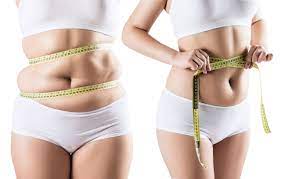
The connection between anxiety and weight gain is more profound than most people realize. If you’re struggling to overcome anxiety and lose weight, you’re not alone in this challenging journey. Millions of Americans face the dual burden of managing anxious thoughts while trying to maintain a healthy weight, often finding that these two goals seem to work against each other in frustrating ways.
Anxiety doesn’t just affect your mental state—it triggers a cascade of physiological responses that can sabotage your weight loss efforts. When you’re anxious, your body releases stress hormones like cortisol, which can increase appetite, promote fat storage around your midsection, and make it incredibly difficult to stick to healthy eating habits. Understanding this connection is the first step toward developing effective strategies to overcome anxiety and lose weight simultaneously.
The good news is that addressing both anxiety and weight management together often leads to better results than tackling them separately. When you reduce anxiety levels, you naturally make better food choices, sleep more soundly, and have more energy for physical activity. Conversely, when you lose weight through healthy methods, you often experience improved mood, better sleep quality, and reduced anxiety symptoms. This article will provide you with practical, science-backed strategies to break this cycle and achieve lasting success in both areas.
Understanding the Anxiety-Weight Connection
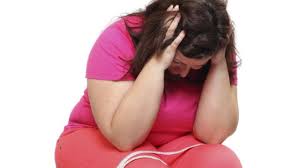
The relationship between anxiety and weight is complex and bidirectional. Chronic anxiety activates your body’s fight-or-flight response, flooding your system with stress hormones that were designed to help our ancestors survive immediate physical threats. However, in modern life, these hormones often remain elevated for extended periods, creating a perfect storm for weight gain and making it harder to overcome anxiety and lose weight effectively.
Cortisol, often called the stress hormone, plays a particularly significant role in this process. When cortisol levels remain high due to chronic anxiety, several things happen that promote weight gain. First, cortisol increases your appetite, particularly for high-calorie, sugary, and fatty foods that provide quick energy. This is your body’s way of preparing for the physical demands it expects to face during stressful situations. Second, cortisol promotes the storage of fat, especially visceral fat around your organs, which is the most dangerous type of body fat for long-term health.
Additionally, anxiety often disrupts sleep patterns, and poor sleep quality has been strongly linked to weight gain. When you don’t get adequate rest, your body produces more ghrelin (the hunger hormone) and less leptin (the satiety hormone), making you feel hungrier throughout the day and less satisfied after meals. This hormonal imbalance makes it significantly more challenging to maintain a caloric deficit necessary for weight loss.
Emotional eating is another critical factor in the anxiety-weight connection. Many people turn to food as a coping mechanism when feeling anxious, stressed, or overwhelmed. This behavior often becomes deeply ingrained and automatic, making it one of the most difficult patterns to break when trying to overcome anxiety and lose weight. Understanding these connections helps you develop targeted strategies that address both the emotional and physiological aspects of your challenges.
Stress Management Techniques for Weight Loss Success

Effective stress management is crucial for anyone looking to overcome anxiety and lose weight because it addresses the root cause of many weight-related challenges. When you learn to manage stress effectively, you naturally reduce cortisol production, improve sleep quality, and make better food choices. The key is finding stress management techniques that work for your lifestyle and consistently implementing them into your daily routine.
Deep breathing exercises are one of the most accessible and effective tools for immediate anxiety relief. The 4-7-8 breathing technique, where you inhale for 4 counts, hold for 7, and exhale for 8, activates your parasympathetic nervous system and signals your body to relax. Practice this technique for just five minutes daily, and you’ll notice a significant reduction in anxiety levels. This technique is particularly useful before meals, as it helps you approach eating from a calm, mindful state rather than an anxious one.
Progressive muscle relaxation is another powerful technique that helps you identify and release physical tension associated with anxiety. Start by tensing and then releasing each muscle group in your body, beginning with your toes and working your way up to your head. This practice not only reduces immediate anxiety but also helps you become more aware of how stress manifests physically in your body, making it easier to catch and address anxiety before it escalates.
Meditation and mindfulness practices have been extensively studied and proven effective for both anxiety reduction and weight management. Even just 10 minutes of daily meditation can significantly reduce cortisol levels and improve your ability to make conscious food choices rather than eating on autopilot. Apps like Headspace or Calm can guide you through beginner-friendly meditation sessions, making it easier to establish a consistent practice that supports your goals to overcome anxiety and lose weight.
Mindful Eating Strategies to Combat Emotional Hunger

Mindful eating is a game-changer for people trying to overcome anxiety and lose weight because it helps break the automatic connection between emotions and food consumption. When you eat mindfully, you become more aware of physical hunger versus emotional hunger, allowing you to respond appropriately to your body’s actual needs rather than using food to manage difficult emotions.
The first step in developing mindful eating habits is learning to distinguish between physical and emotional hunger. Physical hunger develops gradually, can be satisfied with various foods, and stops when you’re full. Emotional hunger, on the other hand, comes on suddenly, craves specific comfort foods, and often persists even after you’re physically satisfied. By pausing before eating and asking yourself whether you’re truly hungry or eating for emotional reasons, you can begin to make more conscious food choices.
Creating a calm eating environment is essential for mindful eating success. Turn off the television, put away your phone, and focus entirely on your meal. Eat slowly, chewing each bite thoroughly and paying attention to the flavors, textures, and aromas of your food. This practice not only enhances your eating experience but also gives your brain time to register fullness signals, preventing overeating that often occurs when anxiety drives rapid consumption.
The hunger scale is a practical tool that can help you gauge your eating needs more accurately. Rate your hunger on a scale of 1 to 10, where 1 is completely full and 10 is extremely hungry. Aim to eat when you’re at a 6 or 7 (moderately hungry) and stop when you reach a 3 or 4 (comfortably satisfied). This approach helps you avoid both the extreme hunger that leads to poor food choices and the excessive fullness that contributes to weight gain. Practicing this technique consistently will significantly improve your ability to overcome anxiety and lose weight through better eating habits.
Exercise Programs That Reduce Anxiety While Burning Calories
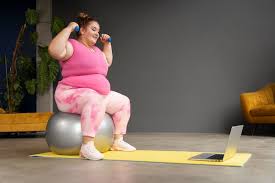
Exercise is one of the most effective tools for managing both anxiety and weight loss, but not all forms of exercise are equally beneficial for people dealing with high stress levels. The key is choosing activities that provide stress relief while also creating the caloric deficit necessary for weight loss. Understanding which types of exercise work best for anxiety reduction can help you create a sustainable fitness routine that supports your goals to overcome anxiety and lose weight.
Cardiovascular exercise, particularly moderate-intensity activities like brisk walking, cycling, or swimming, has been shown to be incredibly effective for anxiety reduction. These activities increase the production of endorphins, your body’s natural mood elevators, while also burning significant calories. Aim for at least 150 minutes of moderate-intensity cardio per week, which can be broken down into manageable 30-minute sessions five days a week. The rhythmic nature of these activities also provides a meditative quality that helps quiet anxious thoughts.
Strength training offers unique benefits for people trying to overcome anxiety and lose weight because it provides both immediate stress relief and long-term metabolic benefits. Lifting weights or doing bodyweight exercises requires focus and concentration, which naturally redirects your attention away from anxious thoughts. Additionally, building muscle increases your resting metabolic rate, meaning you’ll burn more calories throughout the day, even when you’re not exercising.
Yoga combines physical movement with mindfulness and breathing techniques, making it an ideal exercise for anxiety management and weight loss. Different styles of yoga offer varying intensities, from gentle restorative practices that focus primarily on stress relief to more vigorous styles like vinyasa or power yoga that provide substantial calorie burn. The flexibility and balance improvements that come with regular yoga practice also enhance your overall fitness and make other forms of exercise more enjoyable and effective.
High-Intensity Interval Training (HIIT) can be particularly effective for people with anxiety, as it provides an intense physical outlet for nervous energy while maximizing calorie burn in a short amount of time. However, it’s important to monitor your response to high-intensity exercise, as some people find it increases anxiety levels. If you enjoy the challenge and find it helps you feel more calm afterward, HIIT can be an excellent addition to your routine for achieving your goals to overcome anxiety and lose weight.
Nutrition Guidelines for Anxiety Relief and Fat Loss

The foods you eat play a crucial role in both anxiety levels and weight management, making nutrition a critical component of any plan to overcome anxiety and lose weight. Certain foods can exacerbate anxiety symptoms and promote weight gain, while others provide the nutrients your body needs to manage stress effectively and maintain a healthy metabolism. Understanding these connections allows you to make food choices that support both your mental health and weight loss goals.
Blood sugar stability is fundamental for managing both anxiety and weight. When blood sugar levels spike and crash throughout the day, it creates a rollercoaster of energy that can trigger anxiety symptoms and increase cravings for high-calorie foods. Focus on eating balanced meals that combine complex carbohydrates, lean proteins, and healthy fats to maintain steady blood sugar levels. This approach helps you feel more emotionally stable while also supporting consistent energy levels for physical activity.
Omega-3 fatty acids, found in fatty fish, walnuts, and flaxseeds, have been extensively researched for their anxiety-reducing properties. These healthy fats help regulate neurotransmitter function and reduce inflammation in the brain, both of which contribute to improved mood and reduced anxiety. Aim to include omega-3 rich foods in your diet at least three times per week, or consider a high-quality fish oil supplement if you don’t consume enough through food sources alone.
Magnesium is often called nature’s relaxation mineral because of its calming effects on the nervous system. Many people with anxiety are deficient in magnesium, and increasing intake through foods like dark leafy greens, nuts, seeds, and whole grains can significantly improve anxiety symptoms. Magnesium also plays a role in energy metabolism, making it particularly important for people trying to overcome anxiety and lose weight through improved nutrition and exercise performance.
Limiting caffeine and alcohol is crucial for anxiety management and weight loss success. While moderate caffeine intake can provide energy for workouts, excessive consumption can trigger anxiety symptoms and disrupt sleep patterns. Alcohol, despite its initial calming effects, actually increases anxiety levels as it metabolizes and can significantly impair sleep quality. Both substances are also high in calories and can contribute to weight gain when consumed regularly.
Sleep Optimization for Hormonal Balance

Quality sleep is absolutely essential for anyone trying to overcome anxiety and lose weight because it directly affects the hormones that control both stress response and appetite regulation. When you don’t get adequate sleep, your body produces more cortisol, making you feel more anxious and promoting fat storage. Additionally, sleep deprivation disrupts the hormones leptin and ghrelin, which control feelings of fullness and hunger, making it much harder to maintain healthy eating habits.
Creating a consistent sleep schedule is one of the most important steps you can take for better sleep quality. Going to bed and waking up at the same time every day, even on weekends, helps regulate your circadian rhythm and improves both sleep quality and anxiety levels. Most adults need 7-9 hours of sleep per night, but the quality of that sleep is just as important as the quantity. Poor sleep quality can leave you feeling tired and anxious even after spending adequate time in bed.
Your sleep environment plays a crucial role in sleep quality and anxiety management. Keep your bedroom cool, dark, and quiet to promote deep, restorative sleep. Consider using blackout curtains, a white noise machine, or earplugs if necessary. The blue light emitted by phones, tablets, and televisions can interfere with melatonin production, so avoid screens for at least an hour before bedtime. Instead, try reading, gentle stretching, or practicing relaxation techniques to prepare your body and mind for sleep.
Developing a calming bedtime routine signals to your body that it’s time to wind down and prepare for sleep. This routine might include activities like taking a warm bath, practicing gentle yoga, writing in a gratitude journal, or doing deep breathing exercises. The key is consistency—performing the same activities in the same order each night helps your body anticipate sleep and naturally begin to relax. A good bedtime routine is particularly important for people trying to overcome anxiety and lose weight because it addresses both the anxiety that can keep you awake and the hormonal imbalances that contribute to weight gain.
Building Sustainable Habits for Long-Term Success
The key to successfully overcome anxiety and lose weight lies not in dramatic, short-term changes, but in building sustainable habits that you can maintain for life. Many people make the mistake of trying to change everything at once, which often leads to overwhelming feelings and eventual abandonment of their goals. Instead, focus on implementing small, manageable changes that gradually build upon each other to create lasting transformation.
Start by identifying your biggest triggers for both anxiety and overeating. Common triggers might include work stress, relationship conflicts, financial worries, or certain times of day when you typically feel overwhelmed. Once you’ve identified these patterns, you can develop specific strategies to address each trigger. For example, if you tend to eat emotionally after stressful work meetings, you might plan to take a five-minute walk or do breathing exercises instead of heading straight to the kitchen.
The concept of “habit stacking” can be particularly effective for people trying to overcome anxiety and lose weight. This involves linking new, healthy habits to existing routines that you already do consistently. For instance, you might commit to doing five minutes of meditation immediately after brushing your teeth in the morning, or taking a short walk immediately after eating lunch. By connecting new habits to established routines, you’re more likely to remember and consistently perform the new behaviors.
Tracking your progress in multiple areas—not just weight—helps you see the full picture of your improvement and stay motivated during challenging times. Keep a simple journal or use a smartphone app to track things like sleep quality, energy levels, mood, exercise completion, and healthy eating habits. Often, you’ll notice improvements in these areas before seeing significant changes on the scale, which helps maintain motivation and reinforces that your efforts are working.
Building a support system is crucial for long-term success in managing both anxiety and weight. This might include family members, friends, a therapist, a nutritionist, or online communities of people with similar goals. Having people who understand your challenges and can provide encouragement, accountability, and practical advice makes a significant difference in your ability to maintain healthy habits over time. Don’t be afraid to ask for help when you need it—seeking support is a sign of strength, not weakness.
Professional Support and When to Seek Help
While many people can successfully overcome anxiety and lose weight using self-help strategies, there are times when professional support becomes necessary or highly beneficial. Recognizing when you need additional help is important for both your safety and your success. If your anxiety is severe enough to interfere with daily activities, if you’re having thoughts of self-harm, or if you’ve been unable to make progress despite consistent efforts, it’s time to consider professional support.
A mental health professional, such as a therapist or counselor, can provide specialized treatment for anxiety disorders that may be contributing to your weight struggles. Cognitive Behavioral Therapy (CBT) has been proven particularly effective for both anxiety and weight management because it helps you identify and change the thought patterns and behaviors that contribute to both problems. Many therapists specialize in eating disorders and can help you address emotional eating patterns that make it difficult to maintain a healthy weight.
Working with a registered dietitian can be invaluable for developing a nutrition plan that supports both anxiety management and weight loss. A dietitian can help you identify foods that may be triggering anxiety symptoms, create meal plans that stabilize blood sugar and mood, and develop strategies for managing emotional eating. They can also help you navigate any medical conditions or medications that might be affecting your weight or anxiety levels.
In some cases, medication may be appropriate for managing anxiety symptoms that are interfering with your ability to overcome anxiety and lose weight. A psychiatrist or your primary care physician can evaluate whether medication might be helpful in your situation. Some anxiety medications can affect appetite and weight, so it’s important to discuss these potential side effects and work with your healthcare provider to find the best approach for your individual needs.
Don’t overlook the potential benefits of working with a personal trainer or fitness professional, especially if you’re new to exercise or have physical limitations. A qualified trainer can help you develop a safe, effective exercise program that addresses both your fitness goals and anxiety management needs. They can also provide accountability and motivation, which are particularly important when you’re dealing with the challenges of anxiety and weight management simultaneously.
Remember that seeking professional help is not a sign of failure—it’s a smart strategy for maximizing your chances of success. Many people find that working with professionals accelerates their progress and helps them develop skills and strategies they can use for life. The investment in professional support often pays dividends in terms of faster results, better long-term outcomes, and improved overall quality of life.
As you work toward your goals to overcome anxiety and lose weight, remember that this is a journey, not a destination. There will be setbacks and challenges along the way, but each day offers a new opportunity to make choices that support your health and well-being. Be patient with yourself, celebrate small victories, and stay focused on the long-term benefits of managing both your anxiety and your weight effectively.
The strategies outlined in this article provide a comprehensive approach to addressing both anxiety and weight management simultaneously. By understanding the connections between these challenges and implementing evidence-based solutions, you can create lasting changes that improve both your mental and physical health. Start with the strategies that feel most manageable for you, and gradually build upon your successes to create the healthy, balanced life you deserve.
What challenges have you faced in trying to manage anxiety and weight simultaneously? What strategies have you found most helpful in your journey? Share your experiences in the comments below to help others who may be facing similar struggles.
Frequently Asked Questions
Can anxiety really cause weight gain?
Yes, anxiety can directly contribute to weight gain through several mechanisms. Chronic anxiety increases cortisol production, which promotes fat storage, increases appetite, and creates cravings for high-calorie foods. Anxiety also disrupts sleep patterns, leading to hormonal imbalances that make weight management more difficult.
How long does it take to see results when trying to overcome anxiety and lose weight?
Most people begin to notice improvements in anxiety levels within 2-4 weeks of implementing consistent stress management and lifestyle changes. Weight loss typically becomes noticeable after 4-6 weeks of consistent healthy eating and exercise habits. Remember that individual results vary, and focusing on overall well-being rather than just the scale often leads to better long-term success.
What are the best exercises for someone with high anxiety?
Low to moderate-intensity cardiovascular exercises like walking, swimming, or cycling are excellent for anxiety management. Yoga and tai chi combine physical movement with mindfulness, making them particularly beneficial. Strength training can also be helpful, as it provides a physical outlet for nervous energy and builds confidence.
Should I avoid caffeine completely if I have anxiety?
Complete caffeine avoidance isn’t necessary for everyone, but it’s important to monitor your individual response. If you notice that caffeine increases your anxiety symptoms, consider reducing your intake gradually rather than stopping abruptly. Some people can tolerate small amounts of caffeine, especially when consumed earlier in the day and with food.
Is it normal for weight loss to slow down when managing anxiety?
Yes, this is completely normal. When you’re dealing with anxiety, your body may hold onto weight as a protective mechanism. Additionally, some anxiety management strategies, like improved sleep and stress reduction, may initially cause temporary water retention as your body adjusts. Focus on consistency rather than rapid results, and remember that managing anxiety often leads to more sustainable weight loss in the long term.