7 Signs You’re Losing Collagen (And What to Do About It)
If your nails snap more easily, your skin feels less bouncy, or your joints ache a little more than they used to, your body might be sending you a signal: it’s running low on collagen.

Collagen is the most abundant protein in the human body. It’s the structural scaffolding that keeps skin firm, joints cushioned, hair strong, and nails resilient. The problem is that collagen production naturally slows down as we age, and most people don’t notice until the signs are already showing up in the mirror — or at the tips of their fingers.
The good news is that collagen decline isn’t something you simply have to accept. Once you know what to look for, you can take action early. Below are seven of the most common signs of collagen loss, why they happen, and what you can do about each one.
1. Dull, Tired-Looking Skin
Collagen gives skin its plumpness and natural glow. When levels drop, skin can start to look flatter, less radiant, and more tired even after a full night’s sleep. This is often one of the very first signs people notice, especially in their late twenties and thirties, when collagen production begins to decline by roughly one percent per year.
2. Thinning Hair
Collagen contributes to the strength of hair follicles. As collagen stores decrease, hair can become finer, grow more slowly, or shed more than usual. Combined with reduced elasticity in the scalp, this can leave hair looking less full over time.
3. Brittle, Weak Nails
Nails are one of the clearest visual indicators of collagen health. When collagen is abundant, nails tend to be smooth, strong, and resistant to peeling or splitting. When it’s depleted, nails often become thin, ridged, or prone to breaking — even with minimal pressure.

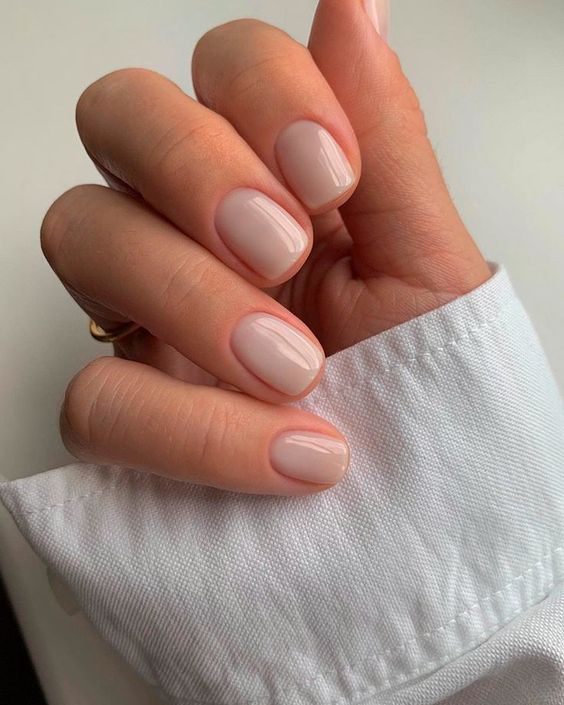
Healthy, glossy nails like these are often a sign that the body has the structural protein it needs. If your nails have started chipping, splitting, or growing slower than they used to, it may be worth paying attention to your collagen intake.
4. Achy or Stiff Joints
Collagen makes up a significant portion of cartilage, the cushioning tissue between bones. As collagen breaks down, that cushioning can thin, leading to stiffness, soreness, or a popping sensation during everyday movement — even in people who haven’t changed their activity level.
5. Fine Lines and Wrinkles
This is the sign most people associate with aging skin, and for good reason. Collagen and elastin work together to keep skin taut. As collagen fibers weaken and fragment, skin loses its ability to bounce back, and fine lines start to settle in around the eyes, mouth, and forehead.
6. Dry, Crepey Skin
Beyond wrinkles, collagen loss can change the overall texture of skin. It may start to feel thinner, drier, or papery, especially on the hands, neck, and décolletage. This crepey texture happens because collagen normally helps skin retain moisture and structure.
7. Low Energy and Increased Fatigue
This sign surprises a lot of people, but collagen is also connected to the health of connective tissue throughout the body, including the gut lining. When collagen production slows, some people notice they feel more sluggish or fatigued, even with adequate sleep.
- Dull, tired-looking skin
- Thinning hair
- Brittle, weak nails
- Achy or stiff joints
- Fine lines and wrinkles
- Dry, crepey skin
- Low energy and fatigue

Why These Signs Show Up Together
It’s rarely just one sign on its own. Because collagen is woven through skin, hair, nails, joints, and connective tissue, a decline in production tends to show up in several places around the same time. That’s why someone dealing with brittle nails might also notice their skin feels a bit drier, or that their knees ache a little more on stairs.
The encouraging part is that collagen support doesn’t have to be complicated. Many people find that consistent, targeted support helps the body maintain stronger nails, smoother skin, and more comfortable joints over time.
Don’t Wait for the Signs to Get Worse
Give your body the collagen support it may be missing — and start feeling like yourself again.
Discover Advanced Collagen PlusSimple Habits That Support Collagen
Alongside any supplement routine, a few daily habits can help protect the collagen you already have:
- Limit sun exposure — UV rays are one of the fastest ways to break down existing collagen.
- Eat enough protein and vitamin C — both are essential building blocks for collagen synthesis.
- Stay hydrated — well-hydrated skin shows fewer fine lines and looks more resilient.
- Reduce added sugar — excess sugar can weaken collagen fibers through a process called glycation.
- Get consistent sleep — most of the body’s repair processes, including collagen renewal, happen overnight.

When to Pay Closer Attention
If you’ve noticed two or more of the signs above developing together, it may be a good time to take a closer look at your daily collagen intake. While some collagen decline is a normal part of aging, supporting your body proactively can make a noticeable difference in how your skin, hair, nails, and joints feel and look.
Ready to Support Your Skin, Hair, and Joints?
See how Advanced Collagen Plus is formulated to help replenish what your body naturally loses over time.
Shop Advanced Collagen Plus NowThe Bottom Line
Collagen loss is a natural part of aging, but it doesn’t have to catch you off guard. Dull skin, thinning hair, brittle nails, achy joints, fine lines, dryness, and fatigue are all signals worth listening to. The earlier you notice these changes, the easier it is to support your body before the signs become more pronounced.
Paying attention now — and giving your body the support it needs — can make a real difference in how you look and feel for years to come.
Your Body Might Be Crying Out for Collagen
Take the first step toward firmer skin, stronger nails, and more comfortable joints today.
Explore Advanced Collagen Plus