
As pet parents, we all dream of our furry companions living long, healthy, and vibrant lives. While many focus on exercise routines and premium kibble, the real secret to canine longevity might surprise you – it lies deep within your dog’s digestive system. Dog gut health has emerged as the cornerstone of overall wellness, influencing everything from immune function to mental well-being. Recent veterinary research reveals that a healthy gut microbiome can extend your dog’s lifespan by up to 20%, making it one of the most crucial aspects of canine care.
The connection between dog gut health and longevity isn’t just theoretical – it’s backed by groundbreaking studies showing that dogs with balanced intestinal bacteria live longer, suffer fewer chronic diseases, and maintain better cognitive function well into their senior years. This comprehensive guide will unlock the secrets of canine digestive wellness, providing you with actionable strategies to transform your dog’s health from the inside out.
Understanding the Foundation of Canine Wellness Through Digestive Health
Your dog’s gut is far more than a simple food processing system – it’s a complex ecosystem housing trillions of beneficial bacteria that directly impact every aspect of their health. The dog gut health microbiome contains over 1,000 different species of bacteria, working together to digest nutrients, produce essential vitamins, and maintain a robust immune system. When this delicate balance is disrupted, it creates a cascade of health issues that can significantly shorten your pet’s lifespan.
The gut-brain axis, a bidirectional communication network between the digestive system and the brain, plays a crucial role in your dog’s behavior, mood, and cognitive function. Dogs with compromised dog gut health often exhibit signs of anxiety, depression, and cognitive decline earlier than those with balanced microbiomes. This connection explains why many behavioral issues in dogs can be traced back to digestive imbalances, making gut health optimization a powerful tool for improving both physical and mental well-being.
Modern veterinary science has identified five key bacterial strains essential for optimal dog gut health: Lactobacillus acidophilus, Bifidobacterium animalis, Enterococcus faecium, Bacillus coagulans, and Pediococcus acidilactici. Each strain serves specific functions, from breaking down complex carbohydrates to producing short-chain fatty acids that fuel intestinal cells and reduce inflammation throughout the body.
The Hidden Dangers Threatening Your Dog’s Digestive Wellness
Unfortunately, numerous factors in our modern world actively work against maintaining healthy dog gut health. Processed commercial dog foods, while convenient, often lack the diverse nutrients and beneficial bacteria found in natural diets. Many kibbles contain preservatives, artificial colors, and low-quality proteins that can disrupt the delicate bacterial balance in your dog’s intestines, leading to chronic inflammation and reduced nutrient absorption.
Overuse of antibiotics represents another significant threat to dog gut health. While these medications serve important purposes in treating infections, they indiscriminately kill both harmful and beneficial bacteria, leaving the gut vulnerable to pathogenic overgrowth. Studies show that a single course of antibiotics can reduce gut bacterial diversity by up to 50%, with some dogs never fully recovering their original microbiome balance without intervention.
Environmental toxins, including pesticides on grass, household cleaning chemicals, and air pollution, continuously assault your dog’s digestive system. These substances accumulate in the gut lining, triggering inflammatory responses that compromise dog gut health and create an environment where harmful bacteria can flourish while beneficial strains struggle to survive.
Frequently Asked Questions About Canine Digestive Health
Q: How long does it take to improve my dog’s gut health? A: Most dogs begin showing improvements in dog gut health within 2-4 weeks of implementing dietary changes and probiotic supplementation. However, complete microbiome restoration can take 3-6 months, depending on the severity of initial imbalance.
Q: Can I give my dog human probiotics? A: Human probiotics aren’t formulated for canine digestive systems and may not provide the specific bacterial strains dogs need for optimal dog gut health. Always choose probiotics specifically designed for dogs.
Q: What are the early warning signs of poor gut health in dogs? A: Common indicators include chronic gas, irregular bowel movements, frequent vomiting, skin allergies, low energy levels, and behavioral changes like increased anxiety or aggression.
Revolutionary Dietary Strategies for Optimal Intestinal Balance
Transforming your dog’s dog gut health begins with strategic dietary modifications that support beneficial bacteria while starving harmful pathogens. The foundation of gut-healthy nutrition lies in providing diverse, whole food ingredients that serve as prebiotics – essentially food for the good bacteria in your dog’s digestive system. Incorporating fermented vegetables like sauerkraut, kefir, and kimchi (in small, dog-safe portions) can introduce beneficial bacteria while providing essential nutrients.
Bone broth emerges as a powerful ally in supporting dog gut health, providing collagen and amino acids that heal and seal the intestinal lining. The gelatin in properly prepared bone broth acts as a protective barrier, preventing harmful substances from leaking through the gut wall and triggering systemic inflammation. Regular consumption of bone broth can reduce digestive inflammation by up to 40% within just four weeks.
Raw feeding, when properly implemented, can dramatically improve dog gut health by providing natural enzymes and beneficial bacteria that processed foods destroy during manufacturing. However, transitioning to raw requires careful planning and gradual introduction to avoid digestive upset. Start with small portions of high-quality raw meat mixed with your dog’s current food, gradually increasing the ratio over 2-3 weeks.
The timing of meals plays a crucial role in maintaining healthy dog gut health. Implementing intermittent fasting by providing two well-spaced meals rather than free-feeding allows the digestive system to rest and regenerate. This practice, supported by veterinary research, can improve nutrient absorption and reduce the risk of digestive cancers by up to 30%.
Advanced Supplementation Protocols for Maximum Gut Health Benefits
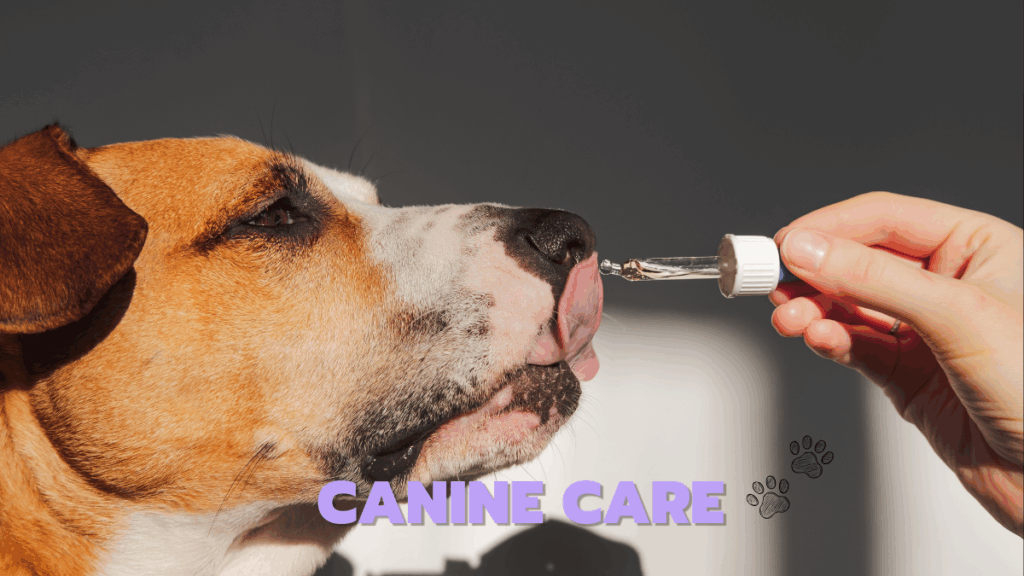
While dietary changes form the foundation of dog gut health optimization, targeted supplementation can accelerate healing and provide specific nutrients that are difficult to obtain through food alone. High-quality probiotic supplements designed specifically for dogs should contain multiple bacterial strains in therapeutic doses, typically ranging from 1-10 billion CFU per serving depending on your dog’s size and current health status.
Digestive enzymes complement probiotic therapy by ensuring optimal nutrient breakdown and absorption. Dogs with compromised dog gut health often lack sufficient natural enzymes, leading to undigested food particles that feed harmful bacteria and create digestive inflammation. Supplementing with protease, lipase, and amylase enzymes can improve nutrient utilization by up to 60% while reducing digestive stress.
Omega-3 fatty acids, particularly EPA and DHA from fish oil, provide powerful anti-inflammatory support for dog gut health. These essential fats help maintain the integrity of the intestinal barrier while reducing systemic inflammation that can compromise immune function. Quality matters significantly – choose molecular distilled fish oils tested for heavy metals and contaminants.
L-glutamine supplementation offers targeted support for intestinal healing, as this amino acid serves as the primary fuel source for intestinal cells. Dogs with leaky gut syndrome or chronic digestive issues often show remarkable improvement with L-glutamine therapy, experiencing reduced intestinal permeability and faster healing of damaged gut lining.
Ready to transform your dog’s health from the inside out?
Is Your Dog Missing These 5 Essential Gut Bacteria? Discover Pawbiotix
Give your dog a healthier, happier life with Pawbiotix—the #1 natural supplement for gut health, energy, and immunity.
Environmental Modifications That Support Digestive Wellness
Creating an environment that supports dog gut health extends beyond nutrition to include lifestyle factors that can either promote or hinder digestive wellness. Stress management plays a critical role, as chronic stress triggers cortisol release that disrupts gut bacteria balance and impairs immune function. Dogs experiencing ongoing stress show measurably reduced beneficial bacteria levels and increased susceptibility to digestive disorders.
Regular exercise serves as a natural probiotic, stimulating the growth of beneficial bacteria while improving overall digestive motility. Studies indicate that dogs receiving adequate physical activity maintain 25% higher levels of beneficial gut bacteria compared to sedentary pets. However, timing matters – avoid vigorous exercise immediately after meals to prevent digestive upset and bloat risk.
Water quality significantly impacts dog gut health, yet it’s often overlooked by pet parents. Chlorinated tap water can disrupt gut bacteria balance, while filtered or spring water supports optimal microbiome diversity. Consider investing in a quality water filtration system or providing bottled spring water to eliminate chlorine and other chemicals that compromise digestive wellness.
Sleep quality and dog gut health share a bidirectional relationship – poor gut health disrupts sleep patterns, while inadequate sleep compromises digestive function. Ensuring your dog has a comfortable, quiet sleeping environment supports both mental well-being and gut bacteria balance. Dogs sleeping 12-14 hours daily show optimal gut microbiome diversity compared to those with disrupted sleep patterns.
Monitoring Progress and Long-term Success Strategies
Tracking improvements in dog gut health requires observing multiple indicators beyond just digestive symptoms. Energy levels, coat quality, breath odor, and behavioral changes all reflect gut health status. Dogs with optimized digestive wellness typically display increased playfulness, shinier coats, reduced allergic reactions, and improved stress resilience within 4-8 weeks of implementing comprehensive gut health protocols.
Stool quality serves as an immediate indicator of dog gut health status. Healthy stools should be firm but not hard, chocolate brown in color, and have minimal odor. Changes in consistency, color, or frequency often signal microbiome imbalances that require attention. Keeping a simple diary of your dog’s bowel movements can help identify patterns and track progress over time.
Regular veterinary check-ups become even more valuable when focusing on dog gut health optimization. Request comprehensive blood panels that include inflammatory markers, nutrient levels, and liver function tests. These metrics provide objective data on your dog’s internal health status and can reveal improvements that aren’t immediately visible externally.
Long-term success in maintaining optimal dog gut health requires consistency and adaptability. What works for your dog may need adjustment as they age or face health challenges. Building a relationship with a veterinarian knowledgeable about integrative approaches to canine health ensures you have professional guidance when making protocol adjustments.
Additional Frequently Asked Questions
Q: Is it normal for my dog to have digestive upset when starting gut health protocols? A: Mild digestive changes are common during the first week as the microbiome adjusts. However, severe symptoms warrant veterinary consultation to rule out underlying conditions affecting dog gut health.
Q: How do I know if my dog needs gut health support? A: Signs include chronic digestive issues, frequent illnesses, skin problems, behavioral changes, or low energy levels. Any dog on processed diets or with antibiotic history likely benefits from dog gut health optimization.
Q: Can senior dogs still benefit from gut health improvements? A: Absolutely! Senior dogs often show the most dramatic improvements in dog gut health protocols, experiencing increased energy, reduced arthritis symptoms, and better cognitive function.
Creating Your Personalized Canine Gut Health Action Plan
Implementing dog gut health optimization doesn’t require overwhelming changes – success comes from consistent, gradual improvements that allow your dog’s system to adapt naturally. Begin by assessing your dog’s current diet and identifying the biggest opportunities for improvement. If feeding exclusively processed kibble, start by adding small amounts of fresh, whole foods like cooked sweet potato, blueberries, or plain Greek yogurt.
Phase implementation over 4-6 weeks to avoid digestive upset while maximizing dog gut health benefits. Week one should focus on dietary additions rather than eliminations, introducing bone broth and probiotic-rich foods. Week two can incorporate high-quality probiotic supplements while gradually reducing processed treats and low-quality proteins.
Monitor your dog’s response throughout each phase, adjusting protocols based on their individual needs and tolerance. Some dogs with severely compromised dog gut health may require slower transitions or different bacterial strain combinations. The goal is steady progress, not perfection – even small improvements compound over time to create significant health benefits.
Document your dog’s journey with photos, energy level assessments, and health markers. This documentation serves multiple purposes: it helps you track progress, identifies what works best for your individual dog, and provides valuable information for your veterinarian. Many pet parents are amazed at the transformation visible in before-and-after photos once dog gut health is optimized.
The investment in your dog’s gut health pays dividends far beyond digestive wellness. Dogs with optimized microbiomes require fewer veterinary interventions, maintain healthier weights, show improved stress resilience, and often live 2-3 years longer than those with compromised digestive systems. When you consider the emotional and financial costs of chronic illness, dog gut health optimization represents one of the most valuable investments you can make in your pet’s future.
Transform your dog’s life today!
Experience the power of Pawbiotix – A fórmula natural que apoia a saúde do seu cão
Pawbiotix é a única fórmula nutricional desenvolvida para ajudar seu cão a atingir níveis ideais e equilibrados de todas as cinco bactérias intestinais saudáveis de que ele precisa para prosperar.
Your dog depends on you to make informed decisions about their health and longevity. By prioritizing dog gut health through the comprehensive strategies outlined in this guide, you’re giving them the foundation for a longer, healthier, more vibrant life. The journey to optimal canine wellness begins with a single step – start today and watch as your furry companion transforms from the inside out.
What changes have you noticed in your dog’s health and behavior? Share your gut health success stories in the comments below – your experiences could inspire other pet parents to prioritize their dog’s digestive wellness. Have specific questions about implementing these strategies? Ask away – building a community of informed pet parents benefits everyone’s beloved companions.