

Dealing with foot fungus can be frustrating, embarrassing, and downright uncomfortable. Whether you’re battling athlete’s foot, toenail fungus, or persistent fungal infections between your toes, natural oils for foot fungus offer a powerful, chemical-free solution that many people overlook. These botanical remedies have been used for centuries to combat fungal infections, and modern research is finally catching up to validate what traditional healers have known all along.
The beauty of using natural oils for foot fungus lies in their multifaceted approach to healing. Unlike harsh synthetic treatments that can irritate sensitive skin or cause unwanted side effects, these plant-based solutions work gently yet effectively to eliminate fungal overgrowth while nourishing and protecting your skin. From tea tree oil’s renowned antifungal properties to oregano oil’s potent antimicrobial compounds, nature provides us with an arsenal of weapons against stubborn foot fungus.
What makes natural oils for foot fungus particularly appealing is their accessibility and affordability. You don’t need expensive prescriptions or multiple doctor visits to start your healing journey. Many of these oils are readily available at health food stores, online retailers, or even your local pharmacy. Plus, when used correctly, they’re safe for long-term use and can become part of your regular foot care routine to prevent future infections.
This comprehensive guide will walk you through everything you need to know about using natural oils for foot fungus treatment. We’ll explore the science behind why these oils work, which specific oils are most effective for different types of fungal infections, and provide you with detailed application methods that actually get results. You’ll also discover how to create powerful oil blends, understand proper safety precautions, and learn prevention strategies to keep your feet healthy and fungus-free long-term.
Understanding Foot Fungus and Why Natural Oils Work
Before diving into specific natural oils for foot fungus treatments, it’s crucial to understand what we’re actually fighting. Foot fungus typically falls into several categories, including athlete’s foot (tinea pedis), toenail fungus (onychomycosis), and various forms of dermatophyte infections. These fungal organisms thrive in warm, moist environments – exactly the conditions your feet experience daily inside shoes and socks.
The reason natural oils for foot fungus are so effective lies in their unique chemical compositions. Many essential oils contain compounds called terpenes, phenols, and aldehydes that have proven antifungal, antibacterial, and anti-inflammatory properties. These bioactive compounds can penetrate fungal cell walls, disrupting their cellular processes and ultimately destroying the infection at its source.
What sets natural oils for foot fungus apart from conventional treatments is their ability to address multiple aspects of the infection simultaneously. While pharmaceutical antifungals typically target only the fungal cells, natural oils often provide additional benefits like reducing inflammation, soothing irritated skin, promoting healing, and creating an inhospitable environment for future fungal growth.
The molecular structure of many natural oils for foot fungus allows them to penetrate deeper into affected tissues than water-based treatments. This penetration is particularly important when dealing with toenail fungus, where the infection often extends deep beneath the nail plate. Essential oils can reach these hard-to-access areas, delivering their therapeutic compounds directly to the infection site.
Research has shown that certain natural oils for foot fungus can be just as effective as prescription medications, sometimes even more so. A study published in the Journal of Family Practice found that tea tree oil was as effective as topical antifungal medications for treating athlete’s foot, with fewer side effects and better long-term results.
Most Effective Natural Oils for Treating Foot Fungus
When it comes to natural oils for foot fungus, not all oils are created equal. Some have stronger antifungal properties than others, and certain oils work better for specific types of infections. Understanding which oils to use for your particular situation can make the difference between success and continued frustration with persistent fungal infections.
Tea tree oil stands out as one of the most researched and effective natural oils for foot fungus. Native to Australia, this powerful essential oil contains terpinen-4-ol, a compound that has been extensively studied for its antifungal properties. Clinical trials have demonstrated tea tree oil’s effectiveness against various fungal strains, including those responsible for athlete’s foot and toenail infections. Its ability to penetrate the nail plate makes it particularly valuable for treating stubborn toenail fungus.
Oregano oil is another powerhouse among natural oils for foot fungus treatments. This oil contains carvacrol and thymol, two compounds with potent antifungal activity. Research has shown that oregano oil can inhibit the growth of Candida albicans and other fungal organisms commonly found in foot infections. However, oregano oil is quite potent and should always be diluted before application to prevent skin irritation.
Coconut oil deserves special mention among natural oils for foot fungus remedies due to its unique properties. Rich in lauric acid and caprylic acid, coconut oil has natural antifungal properties while also serving as an excellent carrier oil for other more potent essential oils. Its moisturizing properties help repair damaged skin barriers, creating an environment less conducive to fungal growth.
Lavender oil, while known primarily for its calming properties, is also an effective addition to natural oils for foot fungus treatments. Its antifungal compounds, combined with its anti-inflammatory and healing properties, make it particularly useful for treating inflamed, irritated skin associated with fungal infections. Lavender oil also has a pleasant scent, making it a welcome addition to foot treatment blends.
Thyme oil contains thymol, one of the most potent natural antifungal compounds available. Among natural oils for foot fungus, thyme oil shows remarkable effectiveness against resistant fungal strains. However, like oregano oil, it requires careful dilution due to its intensity. When used properly, thyme oil can penetrate deep into affected tissues and eliminate even stubborn infections.
Professional Application Methods and Treatment Protocols
The effectiveness of natural oils for foot fungus depends heavily on proper application techniques and consistent treatment protocols. Simply applying oils randomly without understanding the best methods can lead to disappointing results and potentially waste valuable time during which the infection could be spreading or becoming more entrenched.
For direct application of natural oils for foot fungus, proper dilution is essential. Most essential oils should be diluted with a carrier oil like coconut, jojoba, or sweet almond oil before applying to the skin. A typical dilution ratio is 2-3 drops of essential oil per teaspoon of carrier oil. This dilution prevents skin irritation while ensuring the active compounds can penetrate effectively.
The foot soak method is one of the most effective ways to use natural oils for foot fungus. Fill a basin with warm water and add 5-10 drops of your chosen essential oil along with a dispersing agent like Epsom salt or a small amount of milk to help the oil distribute evenly. Soak your feet for 15-20 minutes, allowing the antifungal compounds to penetrate the affected areas thoroughly.
For toenail fungus, natural oils for foot fungus require a more targeted approach. After cleaning and drying the affected nail, apply undiluted tea tree oil or a strong essential oil blend directly to the nail and surrounding skin using a cotton swab. This should be done twice daily, preferably after showering when the nail is clean and slightly softened.
Creating a spray treatment with natural oils for foot fungus offers convenience and even distribution. Mix 10-15 drops of essential oil with 2 ounces of witch hazel or rubbing alcohol in a spray bottle. This mixture can be sprayed on feet, between toes, and inside shoes to create an antifungal environment that prevents reinfection.
The overnight treatment method maximizes the contact time between natural oils for foot fungus and the infected area. Apply a diluted oil blend to the affected areas, put on clean cotton socks, and leave the treatment on overnight. This extended contact time allows the oils to work continuously while you sleep, often producing faster results than shorter application periods.
Creating Powerful Oil Blends for Maximum Effectiveness
📈 Over 14,000 real users have already eliminated foot fungus using Kerassentials — a dermatologist-recommended, all-natural formula that really works.
👣 Say goodbye to itching, odor, and brittle nails — without harsh chemicals or expensive treatments.
👉 Tap here to get your original bottle from the official website – before it sells out again
While individual natural oils for foot fungus can be effective, creating synergistic blends often produces superior results. The concept of synergy in aromatherapy suggests that combining certain oils can enhance their individual properties, creating a more potent treatment than any single oil alone.
A popular and effective natural oils for foot fungus blend combines tea tree oil, oregano oil, and lavender oil in a coconut oil base. This combination provides powerful antifungal action from the tea tree and oregano oils, while the lavender oil adds anti-inflammatory properties and helps balance the intensity of the other oils. The coconut oil serves as both a carrier and an additional antifungal agent.
For stubborn toenail infections, a concentrated natural oils for foot fungus blend might include tea tree oil, thyme oil, and lemon oil. The tea tree oil penetrates the nail plate, thyme oil provides intense antifungal activity, and lemon oil adds astringent properties that help dry out the infection. This blend should be applied directly to the nail and surrounding skin twice daily.
A soothing natural oils for foot fungus blend for inflamed or irritated skin might combine tea tree oil, chamomile oil, and frankincense oil in a base of coconut and jojoba oils. This combination addresses the fungal infection while calming inflammation and promoting healing of damaged skin tissue.
When creating your own natural oils for foot fungus blends, start with small quantities to test for skin sensitivity. A basic formula might include 3-5 drops of primary antifungal oil (like tea tree), 2-3 drops of a supporting oil (like lavender), and 1-2 drops of a potent oil (like oregano or thyme) in one tablespoon of carrier oil.
The timing of blend application can significantly impact the effectiveness of natural oils for foot fungus treatments. Apply blends to clean, dry feet for best penetration. If using multiple treatments throughout the day, space them at least 4-6 hours apart to allow the oils to work without interference from subsequent applications.
Safety Precautions and Potential Side Effects
While natural oils for foot fungus are generally safer than synthetic antifungals, they’re not without potential risks and side effects. Understanding these precautions is essential for safe and effective treatment, especially if you have sensitive skin, allergies, or other health conditions that might affect your response to essential oils.
Skin sensitization is one of the most common concerns when using natural oils for foot fungus. Some people may develop allergic reactions to certain oils, even after using them successfully in the past. Always perform a patch test before starting any new oil treatment. Apply a small amount of diluted oil to a patch of skin on your arm and wait 24 hours to check for any adverse reactions.
Proper dilution is crucial when using natural oils for foot fungus. Undiluted essential oils can cause chemical burns, especially on sensitive or already irritated skin. Even oils generally considered gentle, like lavender, can cause irritation if used at full strength. Follow recommended dilution ratios and start with lower concentrations if you’re new to essential oil treatments.
Some natural oils for foot fungus can increase photosensitivity, making your skin more susceptible to sun damage. Citrus oils, in particular, can cause severe burns if exposed to sunlight within 12-24 hours of application. While this is less concerning for foot treatments that are typically covered, be aware of this risk if you’re using oils that might come into contact with exposed skin.
Pregnancy and breastfeeding women should exercise extra caution with natural oils for foot fungus. Some essential oils can affect hormone levels or potentially harm developing babies. Oils like oregano, thyme, and rosemary should be avoided during pregnancy. Tea tree oil and lavender oil are generally considered safer options, but always consult with your healthcare provider before starting any new treatments.
Drug interactions can occur with certain natural oils for foot fungus, particularly if you’re taking medications that affect blood clotting or blood sugar levels. Oils with strong anticoagulant properties might enhance the effects of blood-thinning medications. If you’re taking any medications, discuss your intention to use essential oils with your doctor or pharmacist.
Prevention Strategies Using Natural Oils
Prevention is always better than treatment, and natural oils for foot fungus can play a significant role in maintaining healthy feet and preventing future infections. Incorporating these oils into your regular foot care routine creates an ongoing defense against fungal organisms before they have a chance to establish infections.
Daily foot care with natural oils for foot fungus doesn’t have to be complicated or time-consuming. A simple routine might involve adding a few drops of tea tree oil to your regular foot moisturizer or applying a light spritz of diluted antifungal oil blend after showering. This creates an environment that’s inhospitable to fungal growth while keeping your feet healthy and moisturized.
Shoe and sock treatment with natural oils for foot fungus addresses one of the primary sources of reinfection. Spraying the inside of shoes with a diluted essential oil blend kills fungal spores that might be lurking in footwear. Adding a few drops of tea tree oil to your laundry when washing socks can also help eliminate any fungal organisms that might survive the wash cycle.
Environmental control using natural oils for foot fungus extends beyond personal care to your living space. Diffusing antifungal oils in areas where you frequently walk barefoot, like bathrooms and bedrooms, can reduce the overall fungal load in your environment. This is particularly beneficial for families where multiple people might be susceptible to fungal infections.
Regular foot inspections should be part of any prevention strategy involving natural oils for foot fungus. Early detection allows for immediate treatment before infections become established. Look for signs like itching, redness, scaling, or unusual odors. If you notice any of these symptoms, start treatment immediately with your chosen natural oil protocol.
Lifestyle modifications complement the use of natural oils for foot fungus in prevention strategies. Keeping feet dry, wearing breathable shoes and moisture-wicking socks, and avoiding walking barefoot in public areas all work together with your oil treatments to create a comprehensive prevention plan.
Troubleshooting Common Treatment Challenges
Even with the best intentions and proper application, some people experience challenges when using natural oils for foot fungus. Understanding these common issues and how to address them can mean the difference between successful treatment and giving up on natural approaches altogether.
Slow or minimal results with natural oils for foot fungus often stem from inconsistent application or inadequate concentration. Fungal infections are notoriously persistent, and they require consistent, sustained treatment to eliminate completely. If you’re not seeing results after 2-3 weeks of daily treatment, consider increasing the concentration of your oil blend or extending the contact time.
Skin irritation from natural oils for foot fungus can be addressed by reducing concentration, changing carrier oils, or switching to gentler essential oils. If tea tree oil causes irritation, try lavender oil or a more diluted blend. Sometimes the carrier oil itself can cause problems – coconut oil, while generally well-tolerated, can cause reactions in people with tree nut allergies.
Persistent odor despite treatment with natural oils for foot fungus might indicate a more complex infection involving both fungal and bacterial components. In these cases, adding antibacterial oils like eucalyptus or rosemary to your treatment protocol can address the bacterial component while the antifungal oils work on the fungal infection.
Recurring infections after successful treatment with natural oils for foot fungus usually indicate incomplete elimination of the original infection or reinfection from environmental sources. Extend your treatment period beyond the disappearance of symptoms – continue treating for at least 2-4 weeks after symptoms resolve to ensure complete eradication of the fungal organisms.
Difficulty with application consistency can be addressed by simplifying your natural oils for foot fungus routine. Instead of complex multi-step treatments, find a simple, sustainable routine that you can maintain long-term. A daily foot spray or weekly foot soak might be more manageable than multiple daily applications of oil blends.
If you’re struggling with any of these challenges, don’t hesitate to consult with a healthcare provider or qualified aromatherapist. They can help you troubleshoot your natural oils for foot fungus treatment plan and suggest modifications that might work better for your specific situation.
Advanced Treatment Techniques and Professional Tips
For those who want to take their natural oils for foot fungus treatment to the next level, there are advanced techniques that can enhance effectiveness and speed up healing. These methods require more time and attention but often produce superior results, especially for stubborn or long-standing infections.
The layering technique involves applying different natural oils for foot fungus in specific sequences to maximize penetration and effectiveness. Start with a penetrating oil like tea tree oil, allow it to absorb for 10-15 minutes, then apply a second layer with a different oil like oregano or thyme oil. This method can be particularly effective for toenail fungus where penetration is challenging.
Heat therapy combined with natural oils for foot fungus can increase oil penetration and circulation to affected areas. Apply your oil treatment, then use a hair dryer on low heat to warm the area for 2-3 minutes. The heat helps open pores and increases blood flow, carrying the antifungal compounds deeper into the tissue.
Occlusion therapy involves covering treated areas with plastic wrap or waterproof bandages after applying natural oils for foot fungus. This technique increases the contact time and concentration of the oils while preventing evaporation. It’s particularly useful for treating isolated areas like individual toenails or specific patches of athlete’s foot.
The rotation method involves alternating between different natural oils for foot fungus to prevent the development of resistance. Use one oil or oil blend for a week, then switch to a different combination for the next week. This approach can be particularly effective for treating resistant or recurring infections.
Professional-grade oil preparations can be created by increasing the concentration of natural oils for foot fungus beyond typical home-use dilutions. For severe infections, concentrations of up to 25% essential oil in carrier oil can be used, but this should only be done under professional guidance or with extensive experience in essential oil use.
Timing optimization can significantly impact the effectiveness of natural oils for foot fungus treatments. Apply treatments when the feet are clean and slightly damp, as this can enhance penetration. Evening applications are often most effective because they allow extended contact time without the interference of shoes and socks.
Monitoring Progress and Adjusting Treatment
Successful treatment with natural oils for foot fungus requires careful monitoring and the flexibility to adjust your approach based on how your infection responds. Understanding what to look for and when to make changes can help you achieve better results and avoid wasting time on ineffective treatments.
Early signs of improvement with natural oils for foot fungus often include reduced itching, decreased redness, and less scaling or peeling skin. These changes typically occur within the first 1-2 weeks of consistent treatment. If you’re not seeing any improvement after two weeks, it may be time to increase the concentration of your oils or try a different combination.
Photo documentation can be invaluable when using natural oils for foot fungus to track progress. Take weekly photos of affected areas to objectively assess improvement. Sometimes changes are so gradual that they’re hard to notice day-to-day, but weekly comparisons can show significant progress that might otherwise go unnoticed.
Symptom tracking beyond visual changes helps monitor the effectiveness of natural oils for foot fungus treatments. Keep a simple journal noting itching levels, pain, odor, and any other symptoms. Rate each symptom on a scale of 1-10 and track changes over time. This information can help you determine which oils or techniques are most effective for your specific situation.
Treatment adjustments should be made gradually when using natural oils for foot fungus. If progress stalls, try increasing the frequency of application before increasing concentration. If you’re already applying oils twice daily, try adding a third application or extending the contact time before moving to stronger concentrations.
Plateau periods are common during natural oils for foot fungus treatment, where improvement seems to stop for several weeks. This doesn’t necessarily mean the treatment isn’t working – it often indicates that the infection is becoming more established and requires sustained treatment to eliminate completely. Continue your current protocol for at least another 2-4 weeks before making major changes.
Professional consultation should be considered if you don’t see improvement after 6-8 weeks of consistent treatment with natural oils for foot fungus. A healthcare provider can help determine if there are underlying factors affecting your response to treatment or if a different approach might be more appropriate.
Integration with Conventional Treatments
Many people wonder whether natural oils for foot fungus can be used alongside conventional antifungal medications. The good news is that these approaches can often be combined effectively, potentially providing faster results and reduced side effects compared to either approach alone.
Complementary use of natural oils for foot fungus with prescription medications can address different aspects of the infection. While prescription antifungals target the fungal organisms directly, natural oils can provide additional anti-inflammatory benefits, support skin healing, and create an environment that’s less conducive to reinfection.
Timing considerations are important when combining natural oils for foot fungus with conventional treatments. Apply prescription medications first, allow them to absorb completely, then apply your natural oil treatment. This prevents the oils from interfering with the absorption of the medication while still providing their additional benefits.
Reduced side effects are often reported when natural oils for foot fungus are used alongside conventional treatments. The moisturizing and anti-inflammatory properties of many natural oils can help counteract the drying or irritating effects of some prescription antifungals, making the overall treatment more tolerable.
Enhanced effectiveness is frequently observed when natural oils for foot fungus are combined with conventional treatments. The natural oils can help improve the penetration of prescription medications, particularly important for toenail fungus where getting medications to the infection site is challenging.
Gradual transition from conventional to natural treatments is possible for many people. Start by using natural oils for foot fungus alongside your prescription medication, then gradually reduce the frequency of the prescription treatment while maintaining the natural oil protocol. This approach allows you to assess how well the natural treatment works for you without completely abandoning conventional medicine.
Always inform your healthcare provider if you’re using natural oils for foot fungus alongside prescription medications. While interactions are rare, your doctor should be aware of all treatments you’re using to ensure they’re compatible and to monitor your overall progress effectively.
Long-term Maintenance and Prevention
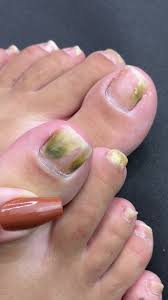
Successfully treating foot fungus with natural oils for foot fungus is just the first step. Maintaining healthy feet and preventing future infections requires a long-term approach that incorporates these natural treatments into your regular self-care routine.
Establishing a maintenance routine with natural oils for foot fungus doesn’t need to be as intensive as active treatment. A simple weekly foot soak with antifungal oils or a light daily application of a diluted oil blend can provide ongoing protection against fungal infections while keeping your feet healthy and moisturized.
Seasonal adjustments to your natural oils for foot fungus routine can help address changing risk factors throughout the year. Summer might require more frequent treatments due to increased sweating and humidity, while winter might call for more moisturizing carrier oils to prevent dry, cracked skin that can become infected.
Environmental management using natural oils for foot fungus extends beyond personal care to your living space. Regular treatment of shoes, socks, and foot care tools with antifungal oils helps eliminate potential sources of reinfection. This is particularly important in households where multiple people have experienced fungal infections.
✅ Home remedies won’t cut it.
🔒 Kerassentials is the natural, proven solution.
👉 Act now – limited stock available on the official website CLICK HERE!!!
Lifestyle integration makes natural oils for foot fungus prevention sustainable long-term. Choose methods that fit easily into your existing routine, whether that’s adding oils to your shower routine, treating your feet while watching TV, or incorporating foot care into your bedtime routine.
Family prevention strategies using natural oils for foot fungus can help protect household members from infections. Shared shower spaces, towels, and footwear can all harbor fungal organisms. Regular cleaning with antifungal oil solutions and establishing good foot hygiene practices for all family members creates a healthier environment for everyone.
Regular assessment of your feet should continue even after successful treatment with natural oils for foot fungus. Monthly self-examinations can help catch any new infections early when they’re easiest to treat. Look for changes in nail appearance, skin texture, color, or any unusual symptoms that might indicate the beginning of a new infection.
Building your knowledge about natural oils for foot fungus and foot health in general helps you make better decisions about prevention and treatment. Stay informed about new research, treatment techniques, and prevention strategies. The more you understand about foot health and fungal infections, the better equipped you’ll be to maintain healthy feet long-term.
Remember that using natural oils for foot fungus is a journey, not a destination. What works best for you may change over time as your needs change, your skin adapts, or you discover new oils and techniques. Stay flexible and open to adjusting your approach as needed to maintain optimal foot health.
Have you tried using natural oils for foot fungus treatments? What combinations have worked best for you? Share your experiences and favorite oil blends in the comments below – your insights could help others who are struggling with stubborn fungal infections find the relief they’ve been searching for.
What questions do you have about incorporating natural oils for foot fungus into your foot care routine? Are there specific oils you’d like to learn more about, or particular challenges you’re facing with your current treatment? Let’s continue this conversation and help each other achieve healthier, fungus-free feet naturally.
Frequently Asked Questions
How long does it take for natural oils for foot fungus to work?
Most people begin seeing improvement within 1-2 weeks of consistent daily treatment with natural oils for foot fungus. However, complete elimination of the infection typically takes 4-8 weeks, depending on the severity of the infection and the specific oils used. Toenail fungus may take longer, sometimes 3-6 months, due to the slow growth rate of nails.
Can I use natural oils for foot fungus if I have sensitive skin?
Yes, but you’ll need to be more cautious with dilution ratios and oil selection. Start with gentler oils like lavender or tea tree oil in higher dilutions (1-2 drops per tablespoon of carrier oil). Always perform a patch test before beginning treatment, and discontinue use if irritation occurs.
Are natural oils for foot fungus safe during pregnancy?
Some natural oils for foot fungus are safe during pregnancy, while others should be avoided. Tea tree oil and lavender oil are generally considered safe when properly diluted. Avoid oregano, thyme, and rosemary oils during pregnancy. Always consult with your healthcare provider before starting any new treatments during pregnancy.
How should I store my natural oils for foot fungus treatments?
Store essential oils in dark glass bottles in a cool, dry place away from direct sunlight. Most oils will maintain their potency for 2-3 years when stored properly. Pre-mixed oil blends should be used within 6 months and stored in the refrigerator if they contain carrier oils that can go rancid.
Can children use natural oils for foot fungus?
Children can use natural oils for foot fungus, but they require more conservative dilution ratios and gentler oils. For children under 12, dilute essential oils to 0.5-1% concentration (1-2 drops per tablespoon of carrier oil). Tea tree oil and lavender oil are generally the safest options for children.
What’s the difference between using natural oils for foot fungus versus over-the-counter treatments?
Natural oils for foot fungus often provide additional benefits beyond antifungal action, including anti-inflammatory and moisturizing properties. They typically have fewer side effects and can be used long-term for prevention. However, they may take longer to show results compared to some synthetic antifungals, and their effectiveness can vary between individuals.
Can I use natural oils for foot fungus in my shoes?
Yes, treating shoes with natural oils for foot fungus is an excellent prevention strategy. Create a spray with essential oils and alcohol or witch hazel to treat the inside of shoes. Allow shoes to dry completely before wearing. This helps eliminate fungal spores that might cause reinfection.
How do I know if my natural oils for foot fungus treatment is working?
Signs of improvement include reduced itching, decreased redness and scaling, less odor, and gradual healing of affected skin. For toenail fungus, look for new, healthy nail growth at the base of the nail. Take weekly photos to track progress objectively, as changes can be gradual and easy to miss day-to-day.