
Fungal infections affecting nails and skin have become increasingly resistant to conventional treatments, leaving millions searching for effective alternatives. The rise of antifungal-resistant strains has created a pressing need for natural solutions that can penetrate deeply and provide lasting results. Fortunately, certain special oils fight fungus resistance and support healthy nails and skin through powerful compounds that fungi haven’t yet developed immunity against.
These remarkable oils contain potent antifungal properties that work differently from synthetic medications, making them particularly valuable in our current landscape of treatment-resistant infections. Unlike harsh chemical treatments that can damage healthy tissue, these natural alternatives nourish while they heal, supporting the skin’s natural barrier function and promoting long-term nail health. Understanding how to harness their power effectively can transform your approach to fungal prevention and treatment.
The beauty of using therapeutic oils lies in their multi-faceted approach to healing. They don’t just attack the fungus directly – they create an environment hostile to fungal growth while simultaneously strengthening your skin and nail defenses. This comprehensive strategy addresses both the immediate infection and the underlying conditions that allowed it to take hold, providing a more sustainable path to recovery.
Understanding Fungal Resistance and Why Traditional Treatments Fall Short
Fungal resistance occurs when organisms adapt to survive treatments that once effectively eliminated them. This phenomenon has accelerated dramatically over the past two decades, particularly with nail fungus infections that can persist for years despite aggressive pharmaceutical intervention. The enclosed environment of nail beds and the slow growth rate of nails create perfect conditions for resistant strains to develop and flourish.
Traditional antifungal medications often fail because they target specific cellular pathways that fungi can eventually circumvent through genetic adaptation. Additionally, many topical treatments struggle to penetrate the nail plate effectively, creating sub-therapeutic concentrations that actually encourage resistance development rather than cure the infection. This is where special oils fight fungus resistance and support healthy nails and skin through their unique ability to penetrate deeply and attack multiple cellular targets simultaneously.
The overuse of synthetic antifungals in both medical and cosmetic applications has created selective pressure that favors resistant strains. These hardy organisms can survive in harsh environments and reproduce rapidly, passing their resistance genes to offspring. Natural oils, however, contain complex mixtures of compounds that fungi find much more difficult to adapt to, as they would need to develop resistance to multiple active ingredients simultaneously.
Skin fungal infections face similar challenges with resistance, particularly in warm, moist environments where fungi thrive. The compromised barrier function often seen in chronic infections allows pathogens to establish deeper colonies that become increasingly difficult to reach with conventional treatments. Oil-based therapies excel in these scenarios because their lipophilic nature allows them to merge with the skin’s natural lipid barrier and deliver therapeutic compounds directly to infected areas.
The Science Behind Antifungal Oils: How They Combat Resistant Strains
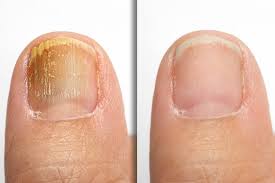
Essential oils and therapeutic plant oils contain hundreds of bioactive compounds that work synergistically to combat fungal infections. These complex chemical profiles make it nearly impossible for fungi to develop comprehensive resistance, as they would need to simultaneously adapt to multiple attack mechanisms. The primary antifungal compounds in these oils include terpenes, phenols, aldehydes, and esters, each contributing to the overall therapeutic effect through different pathways.
Terpenes, found abundantly in oils like tea tree and oregano, disrupt fungal cell membranes by interfering with ergosterol synthesis. This essential sterol maintains membrane integrity in fungal cells, and without it, the organisms literally fall apart from the inside. Unlike synthetic drugs that target single enzymes in this pathway, natural terpenes affect multiple steps in ergosterol production, making resistance development extremely difficult.
Phenolic compounds, particularly abundant in thyme and clove oils, demonstrate remarkable antifungal activity through their ability to denature proteins and disrupt cellular metabolism. These compounds are so effective that even minute concentrations can halt fungal reproduction and destroy existing colonies. When special oils fight fungus resistance and support healthy nails and skin, these phenolic compounds often play a starring role in achieving lasting results.
The penetration capabilities of therapeutic oils represent another significant advantage over conventional treatments. The molecular structure of many oil compounds allows them to pass through the nail plate and skin barriers that typically protect fungal colonies from topical medications. This superior bioavailability ensures that therapeutic concentrations reach the infection site, eliminating the sub-therapeutic dosing that contributes to resistance development in traditional treatments.
Top Therapeutic Oils for Fighting Resistant Fungal Infections
Tea tree oil stands as perhaps the most researched and clinically validated antifungal oil available today. Its primary active compound, terpinen-4-ol, demonstrates broad-spectrum antifungal activity against resistant strains that have proven difficult to treat with conventional medications. Studies consistently show tea tree oil’s effectiveness against nail fungus, with some research indicating success rates comparable to prescription antifungals but with significantly fewer side effects.
Oregano oil contains carvacrol and thymol, two potent phenolic compounds that can destroy fungal cell walls within hours of contact. This oil is particularly effective against Candida species and dermatophytes that cause stubborn skin and nail infections. However, oregano oil requires careful dilution due to its intensity – pure oregano oil can cause severe skin irritation and should always be mixed with carrier oils before application.
Clove oil offers exceptional antifungal properties through its high eugenol content, which has demonstrated effectiveness against multiple resistant fungal strains. This warming oil not only fights infection but also improves circulation to affected areas, promoting faster healing and stronger nail regrowth. The analgesic properties of eugenol also provide pain relief for uncomfortable fungal infections that cause itching, burning, or throbbing sensations.
Lavender oil provides a gentler approach to antifungal treatment while still maintaining significant therapeutic activity. Its linalool and linalyl acetate compounds work particularly well for sensitive skin areas and can be used undiluted in most cases. Lavender also supports skin regeneration and reduces inflammation, making it an excellent choice for addressing the secondary damage often caused by chronic fungal infections.
Coconut oil deserves special mention as a carrier oil with inherent antifungal properties. Its lauric acid and caprylic acid content provides ongoing antifungal protection while delivering other therapeutic oils deep into affected tissues. When special oils fight fungus resistance and support healthy nails and skin, coconut oil often serves as both a carrier and active ingredient, creating sustained release formulations that maintain therapeutic levels throughout the day.
Proper Application Techniques for Maximum Effectiveness
The success of antifungal oil treatments depends heavily on proper application techniques that ensure adequate penetration and sustained contact with infected tissues. For nail fungus, preparation begins with thorough cleaning and filing of affected nails to remove as much infected material as possible. This mechanical debridement creates pathways for oil penetration and removes protective biofilms that fungi use to shield themselves from treatment.
Creating the optimal treatment environment involves timing applications when the area will remain undisturbed for extended periods. Evening applications work particularly well because they allow overnight contact time without interference from shoes, socks, or washing. Cover treated areas with breathable bandages or cotton socks to prevent oil transfer while maintaining the therapeutic environment necessary for deep penetration.
Dilution ratios require careful attention to balance effectiveness with skin safety. Most therapeutic oils should be diluted to 2-5% concentration for topical use, though some gentle oils like lavender can be used at higher concentrations. Start with lower concentrations and gradually increase as your skin adapts to avoid irritation that could compromise treatment compliance. Keep detailed records of which concentrations and combinations work best for your specific situation.
Application frequency varies depending on the severity of infection and the specific oils being used. Mild infections may respond to once-daily applications, while stubborn resistant strains might require twice-daily treatment for several months. Consistency remains more important than frequency – regular daily applications will achieve better results than sporadic intensive treatments that are difficult to maintain long-term.
The duration of treatment extends far beyond visible symptom resolution because fungal spores can remain dormant in treated areas for months after apparent cure. Continue treatment for at least 4-6 weeks after all visible signs of infection have disappeared to ensure complete eradication. For nail infections, this often means treating throughout one complete nail growth cycle, which can take 6-12 months depending on the affected nail.
Creating Powerful Antifungal Oil Blends and Formulations
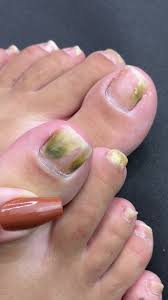
Combining multiple antifungal oils creates synergistic effects that are often more powerful than individual oils used alone. The key to successful blending lies in understanding how different compounds interact and complement each other’s mechanisms of action. A well-designed blend might combine the penetrating power of tea tree oil with the membrane-disrupting effects of oregano oil and the healing support of lavender oil.
Base ratios for therapeutic blends typically start with one primary antifungal oil comprising 40-50% of the blend, supported by 2-3 secondary oils that contribute complementary benefits. For example, a nail fungus blend might combine 40% tea tree oil, 30% clove oil, 20% lavender oil, and 10% lemon oil, all suspended in a carrier oil base. This combination attacks the fungus through multiple pathways while supporting skin healing and providing pleasant aromatherapeutic benefits.
Carrier oil selection significantly impacts the effectiveness of your therapeutic blend. Jojoba oil most closely mimics human sebum and provides excellent penetration without greasiness. Fractionated coconut oil remains liquid at room temperature and offers its own antifungal benefits. Sunflower oil contains natural vitamin E that prevents rancidity and supports skin healing. Choose carrier oils based on their therapeutic properties, not just their availability or cost.
Enhancement techniques can dramatically improve oil penetration and effectiveness. Adding a small amount of dimethyl sulfoxide (DMSO) to oil blends increases their penetration capabilities, though this should only be done with pharmaceutical-grade DMSO and proper precautions. Warming oils slightly before application improves their fluidity and absorption. Creating oil-in-water emulsions can provide sustained release properties that maintain therapeutic levels throughout the day.
Storage and stability considerations become crucial when working with therapeutic oil blends. Essential oils are volatile and can lose potency when exposed to light, heat, or air. Store blends in dark glass containers in cool locations to maximize shelf life. Add natural antioxidants like vitamin E oil to prevent oxidation that can reduce therapeutic effectiveness. Label blends with preparation dates and ingredient lists to track their performance over time.
Supporting Overall Nail and Skin Health During Treatment
While special oils fight fungus resistance and support healthy nails and skin, addressing underlying factors that contribute to fungal infections ensures better treatment outcomes and prevents recurrence. Poor circulation, compromised immune function, and damaged skin barriers all create conditions favorable to fungal growth. A holistic approach that addresses these underlying issues while treating the active infection provides the best chance for lasting success.
Nutrition plays a fundamental role in skin and nail health, particularly regarding antifungal immunity. Zinc deficiency compromises wound healing and immune function, making fungal infections more likely to establish and persist. Biotin supports nail strength and growth, helping infected nails grow out faster and stronger. Vitamin C promotes collagen synthesis essential for healthy skin barrier function that resists fungal penetration.
Hygiene modifications become essential during active treatment to prevent reinfection and cross-contamination. Wash feet daily with antifungal soaps containing tea tree oil or other therapeutic ingredients. Change socks frequently, particularly after exercise or sweating. Rotate shoes to allow complete drying between uses, and consider antifungal shoe sprays or UV sanitizers for heavily contaminated footwear.
Environmental control reduces fungal exposure and creates conditions less favorable to growth and reproduction. Use dehumidifiers in bathrooms and bedrooms to maintain humidity levels below 50%. Ensure adequate ventilation in areas where you spend significant time barefoot. Clean and disinfect shower areas, bath mats, and other surfaces where fungi commonly accumulate using natural antifungal solutions.
Stress management supports immune function and overall healing capacity. Chronic stress elevates cortisol levels that suppress immune responses essential for fighting fungal infections. Regular exercise improves circulation and immune function while reducing stress hormones. Adequate sleep provides the recovery time necessary for immune system optimization and tissue repair processes that support healthy nails and skin.
Monitoring Progress and Adjusting Treatment Protocols
Tracking treatment progress requires attention to both obvious symptoms and subtle improvements that indicate healing is occurring beneath the surface. Photograph affected areas weekly to document changes that might be difficult to notice day-to-day. Note changes in nail thickness, discoloration patterns, and surrounding skin condition. Document any improvements in associated symptoms like itching, pain, or odor.
Signs of improvement often appear gradually and may include subtle changes in nail texture, decreased brittleness, or improved nail bed attachment. Skin infections typically show improvement through reduced redness, scaling, or irritation before complete clearing occurs. New nail growth emerging clear and healthy from the base indicates that treatment is successfully preventing reinfection of new tissue.
Plateaus in improvement signal the need for treatment modifications rather than abandonment of oil therapy. Resistant infections may require stronger oil concentrations, different oil combinations, or enhanced penetration techniques. Consider alternating between different oil blends weekly to prevent fungal adaptation to specific compounds. Sometimes adding mechanical treatments like filing or gentle debridement can restart progress that has stalled.
Warning signs that require immediate attention include increasing redness, swelling, or pain that could indicate secondary bacterial infection. Severe skin reactions like blistering or extensive irritation may indicate allergic responses or overly concentrated oil applications. Systemic symptoms like fever or red streaking require immediate medical evaluation as they suggest serious complications requiring professional intervention.
Professional consultation becomes necessary when home treatment with therapeutic oils fails to produce improvement after 8-12 weeks of consistent application. Dermatologists can provide laboratory testing to identify specific fungal species and their resistance patterns, allowing for more targeted treatment approaches. Some cases may require combination therapy using both natural oils and prescription medications for optimal results.
Prevention Strategies and Long-Term Maintenance
Preventing fungal infections requires ongoing vigilance and lifestyle modifications that create environments hostile to fungal growth. Regular use of antifungal oils in lower concentrations can provide ongoing protection without the side effects associated with long-term pharmaceutical use. Weekly applications of diluted tea tree oil or other gentle antifungal oils help maintain the acidic pH that discourages fungal colonization.
Footwear management becomes crucial for preventing reinfection and cross-contamination between family members. Rotate shoes regularly to ensure complete drying between uses, as fungi cannot survive in thoroughly dried environments. Consider antifungal shoe inserts or sprays containing natural oils to create ongoing protection. Replace heavily contaminated shoes and socks that may harbor resistant spores despite cleaning efforts.
Family and household considerations prevent the cycle of reinfection that often frustrates individual treatment efforts. Treat bathroom and shower areas with natural antifungal solutions regularly. Avoid sharing towels, nail tools, or other personal items that could transfer fungal spores. Consider treating all family members simultaneously if infections are recurring despite successful individual treatment.
Immune system support through diet, exercise, and stress management provides the foundation for natural resistance to fungal infections. Include prebiotic and probiotic foods that support beneficial bacteria populations that compete with pathogenic fungi. Maintain stable blood sugar levels, as elevated glucose provides fuel for fungal growth. Regular moderate exercise improves circulation and immune function while avoiding excessive sweating that creates fungal-friendly environments.
Regular maintenance applications of therapeutic oils can prevent recurrence in individuals prone to fungal infections. Monthly applications of diluted antifungal oil blends to previously affected areas help maintain hostile conditions for fungal growth. This preventive approach is particularly valuable for individuals with diabetes, compromised immunity, or occupational exposures that increase infection risk.
✨ Stronger Nails. Healthier Skin. Lasting Confidence. ✨
Imagine stepping out of the shower and applying a powerful blend of oils and skin-supporting vitamins that instantly nourishes your nail bed. With Kerassentials, your nails get exactly what they need to stay strong, smooth, and resilient — while your skin is constantly supported to rebuild itself and stay glowing.
💧 Every drop is packed with carefully chosen ingredients designed to protect, repair, and maintain your nail and skin health from the inside out.
👉 This isn’t just another product — it’s the only complete formula that works in multiple ways to give you the confidence of clean, flawless nails every single day.
✅ No more hiding your hands.
✅ No more brittle, weak nails.
✅ Just natural beauty, restored from the root.
🔥 Thousands are already switching to Kerassentials and never looking back. The only question is — will you be next?
💎 Click below and claim your bottle today before stock runs out!
Frequently Asked Questions About Antifungal Oils
How long does it take for antifungal oils to work on nail fungus?
Nail fungus treatment with therapeutic oils typically requires 3-12 months depending on the severity of infection and nail growth rate. You may notice improvements in nail texture and color within 4-6 weeks, but complete clearing requires growing out the entire infected nail. Consistent daily application throughout this period is essential for success, as stopping treatment prematurely often leads to recurrence.
Can I use multiple antifungal oils together safely?
Yes, combining multiple antifungal oils often increases effectiveness through synergistic action. However, always dilute blends appropriately to prevent skin irritation – the total concentration of essential oils should not exceed 5% in carrier oil for most applications. Start with lower concentrations and patch test new combinations before applying to large areas. Some oils like oregano are particularly potent and require extra caution when blending.
Are there any side effects from using antifungal oils?
Most people tolerate properly diluted antifungal oils well, but potential side effects include skin irritation, allergic reactions, or photosensitivity with certain oils. Always perform patch tests before first use and start with lower concentrations. Discontinue use if you experience persistent redness, burning, or blistering. Pregnant women and individuals with sensitive skin should consult healthcare providers before using potent essential oils.
Why do antifungal oils work better than conventional treatments for resistant infections?
Antifungal oils contain complex mixtures of compounds that attack fungi through multiple pathways simultaneously, making resistance development extremely difficult. Unlike single-compound pharmaceutical antifungals that fungi can adapt to, oils require pathogens to develop resistance to dozens of active ingredients at once. Additionally, oils penetrate nail and skin barriers more effectively than many topical medications, ensuring therapeutic concentrations reach infection sites.
Can children safely use antifungal oils?
Children can use appropriately diluted antifungal oils, but require more cautious approach with lower concentrations and gentler oils. Lavender and tea tree oils are generally safest for pediatric use when properly diluted. Avoid potent oils like oregano or cinnamon on children’s sensitive skin. Always consult with a pediatrician before treating fungal infections in children under 2 years old, and supervise application to prevent accidental ingestion.
How do I know if my fungal infection is actually resistant to treatment?
Fungal resistance is suspected when infections fail to respond to appropriate treatment after 8-12 weeks of consistent application, or when infections return quickly after apparently successful treatment. True resistance requires laboratory testing to identify specific fungal species and their sensitivity patterns. However, many apparent treatment failures result from inadequate application, insufficient treatment duration, or reinfection from contaminated environments rather than true resistance.
Have you struggled with persistent fungal infections that seemed resistant to conventional treatments? What natural approaches have you found most effective for maintaining healthy nails and skin? Share your experiences and questions in the comments below – your insights might help others who are dealing with similar challenges find the natural solutions they’ve been searching for.