
Muscle soreness, stiffness, and slow recovery are common problems — not only for athletes, but also for people who exercise casually or experience muscle fatigue due to aging, stress, or nutrient deficiencies. When muscles don’t recover properly, performance drops, discomfort increases, and results take longer to appear.
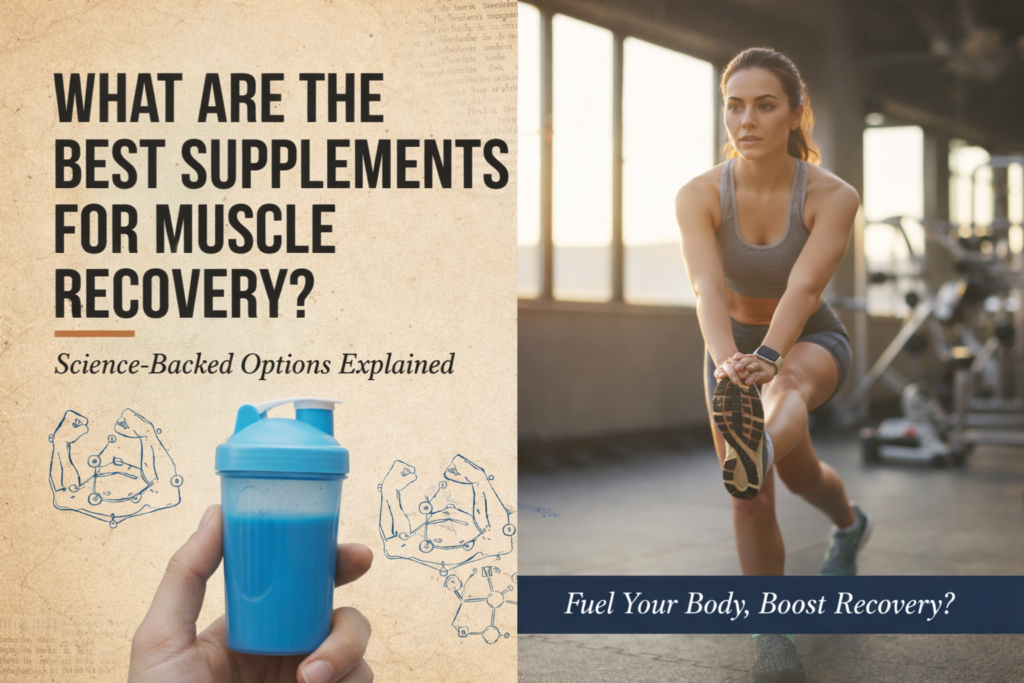
This is where supplements for muscle recovery can play an important role. While rest, hydration, and nutrition are the foundation, specific vitamins, minerals, and natural compounds can support muscle repair, reduce inflammation, and help the body recover more efficiently.
In this article, you’ll discover the best supplements for muscle recovery, how they work, and who can benefit the most — all explained in a clear, science-based way.
Why Muscle Recovery Is So Important
During physical activity, muscles experience microscopic tears. This process is normal and necessary for muscle growth and adaptation. However, recovery is the phase where muscles actually rebuild and become stronger.
Poor muscle recovery can lead to:
- Persistent soreness and stiffness
- Increased risk of injury
- Fatigue and reduced performance
- Longer downtime between workouts
As we age, muscle recovery naturally slows down due to hormonal changes, reduced protein synthesis, and nutrient absorption issues. That’s why supporting recovery becomes even more important over time.
How Supplements Can Support Muscle Recovery
Supplements don’t replace a balanced diet, but they can fill nutritional gaps and enhance recovery processes that may not be fully supported by food alone.
Muscle recovery supplements can help by:
- Reducing inflammation
- Supporting muscle relaxation
- Improving protein synthesis
- Replenishing depleted minerals
- Supporting connective tissue and joints
When combined with proper sleep, hydration, and nutrition, supplements can noticeably improve how muscles feel and perform.
Best Supplements for Muscle Recovery
Below are some of the most effective and widely studied supplements that support muscle recovery.
Magnesium
Magnesium plays a critical role in muscle contraction and relaxation. Low magnesium levels are often linked to muscle cramps, spasms, and prolonged soreness.
Benefits for muscle recovery:
- Helps muscles relax after contraction
- Reduces cramps and tension
- Supports nerve function
Many adults don’t get enough magnesium through diet alone, making supplementation especially useful for people who experience frequent muscle tightness.
Omega-3 Fatty Acids
Omega-3 fatty acids, commonly found in fish oil, are known for their anti-inflammatory properties.
Benefits for muscle recovery:
- Reduces exercise-induced inflammation
- May decrease delayed onset muscle soreness (DOMS)
- Supports joint and connective tissue health
Omega-3s are particularly helpful for people who train regularly or experience chronic muscle discomfort.
Protein (Whey or Plant-Based)
Protein is essential for muscle repair and growth. After exercise, muscles need amino acids to rebuild damaged tissue.
Benefits for muscle recovery:
- Supports muscle repair
- Improves muscle strength over time
- Helps prevent muscle breakdown
Both whey and high-quality plant-based proteins can be effective, depending on dietary preferences and tolerance.
Zinc
Zinc supports tissue repair, immune function, and hormone production — all important factors in recovery.
Benefits for muscle recovery:
- Supports muscle regeneration
- Aids enzyme activity involved in repair
- Helps maintain healthy testosterone levels
Zinc deficiency is more common than many people realize, especially in physically active individuals.
Collagen
While collagen is often associated with skin and hair, it also plays a role in supporting muscles, tendons, and joints.
Benefits for muscle recovery:
- Supports connective tissue strength
- Helps maintain joint integrity
- May reduce discomfort during movement
Collagen works best when combined with vitamin C, which helps improve absorption.
Natural vs Synthetic Supplements
When choosing supplements, many people wonder whether natural options are better than synthetic ones.
Natural supplements often:
- Contain fewer additives
- Are easier to digest
- Provide additional supportive compounds
Synthetic supplements can:
- Offer precise dosages
- Be more affordable
- Deliver faster absorption in some cases
Both can be effective when sourced from reputable manufacturers. Quality and consistency matter more than the label.
How Long Does Muscle Recovery Take?
Muscle recovery time varies based on several factors:
- Age
- Training intensity
- Sleep quality
- Nutrition and hydration
- Stress levels
For most people, muscle recovery takes 24 to 72 hours. Supplements can help shorten recovery time, but they work best as part of a consistent routine rather than a quick fix.
Who Should Consider Muscle Recovery Supplements?
Muscle recovery supplements may be especially beneficial for:
- Adults over 30
- People who exercise regularly
- Individuals with frequent muscle soreness
- Those recovering from physical stress or demanding routines
If muscle fatigue is affecting your performance or daily comfort, supporting recovery can make a noticeable difference.
Final Thoughts
Muscle recovery is not just about rest — it’s about giving your body the right tools to rebuild and perform better over time. Supplements like magnesium, omega-3s, protein, zinc, and collagen can support this process naturally and effectively.
Choosing the right supplements and using them consistently can help reduce soreness, improve mobility, and support long-term muscle health — especially when combined with proper sleep, hydration, and balanced nutrition.